

Introduction

Biomedical engineering is one of the fastest-growing sectors in global health innovation and product development. In 2013, Forbes, a famous American magazine, placed biomedical engineering at the top of their “most valuable majors” list of university programs. The United States ranks the field first with USD 140-180 billion/year industry, which is more than one third of world market. Medical devices and technologies are growing at a rate of 10 per cent annually. Internationally, the medical devices market is a USD 327.7 billion industry whereas Canada ranks this field at number nine with USD 6.8 billion in estimated sales revenue.

Bio-engineering applies the basic principles of engineering to the development of innovative methods for the diagnosis and treatment of diseases and injuries as well as playing a crucial role in the advancement of medical devices and technologies.  It is an interdisciplinary subject, which combines wide-ranging scientific knowledge with technological processes and engineering skills to provide systems for many applications.

An undergraduate program in Biomedical Engineering/Technology provides a strong foundation in the basic sciences, mathematics, engineering and life sciences. The educational foundation, coupled with opportunities for extracurricular experiences, research/internship opportunities, teaching, advising and mentoring, provides a broad pathway for students to pursue a wide variety of post-graduate opportunities such as:

  • Utilization and enhancement of the engineering and biological training to solve problems regarding health and health care based on ethically sound principles
  • Development of leadership in the respective career in biomedical engineering and clinical practices
  • Indulge in lifelong learning by continue education in graduate or professional school or by means of opportunities for professional training
  • Graduates are trained to apply knowledge of biosciences, mathematics, and engineering in practical domains 
  • Biomedical engineers/technologists are able to design and conduct experiments as well as to analyze and interpret data
  • They can lay out a system to meet desired needs with realistic constraints such as environmental ethical, health safety
  • Graduates are professionals capable to function effectively on multidisciplinary teams

Keeping in view the gap between supply and demand of biomedical engineering/technology professionals, BSc (Biomedical Engineering Technology) program at NFC Institute of Engineering and Technology was commenced in 2016. The program is maiden in Southern Punjab region, providing students deep theoretical and practical understanding of the key areas with the help of qualified teachers from academia & industry and on state of the art biomedical engineering equipment. The students of the pioneer batch (2K16) have passed seven semesters and are on mandatory six months training leading to employment in many cases.

Message from HoD

Dr. Abdul Mannan

Biomedical engineering is one of the fastest-growing sectors in global health innovation and product development. In 2013, Forbes, a famous American magazine, placed biomedical engineering at the top of their “most valuable majors” list of university programs. The United States ranks the field first with USD 140-180 billion/year industry, which is more than one third of world market. Medical devices and technologies are growing at a rate of 10 per cent annually. Internationally, the medical devices market is a USD 327.7 billion industry whereas Canada ranks this field at number nine with USD 6.8 billion in estimated sales revenue.

Bio-engineering applies the basic principles of engineering to the development of innovative methods for the diagnosis and treatment of diseases and injuries as well as playing a crucial role in the advancement of medical devices and technologies. It is an interdisciplinary subject, which combines wide-ranging scientific knowledge with technological processes and engineering skills to provide systems for many applications.

Program Offered

  • BS BioMedical Engineering Technology

Laboratories & Facilities

Laboratories

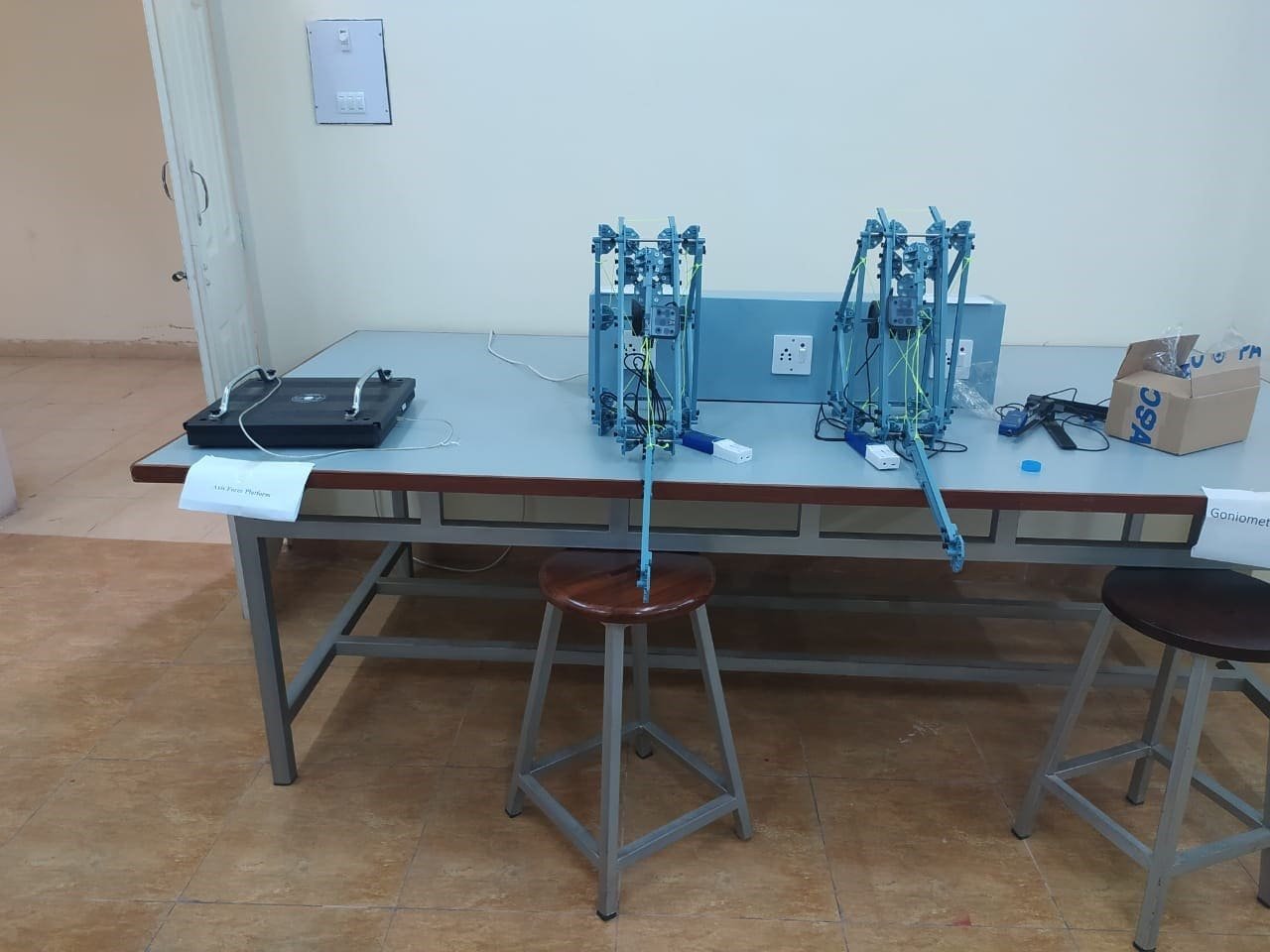
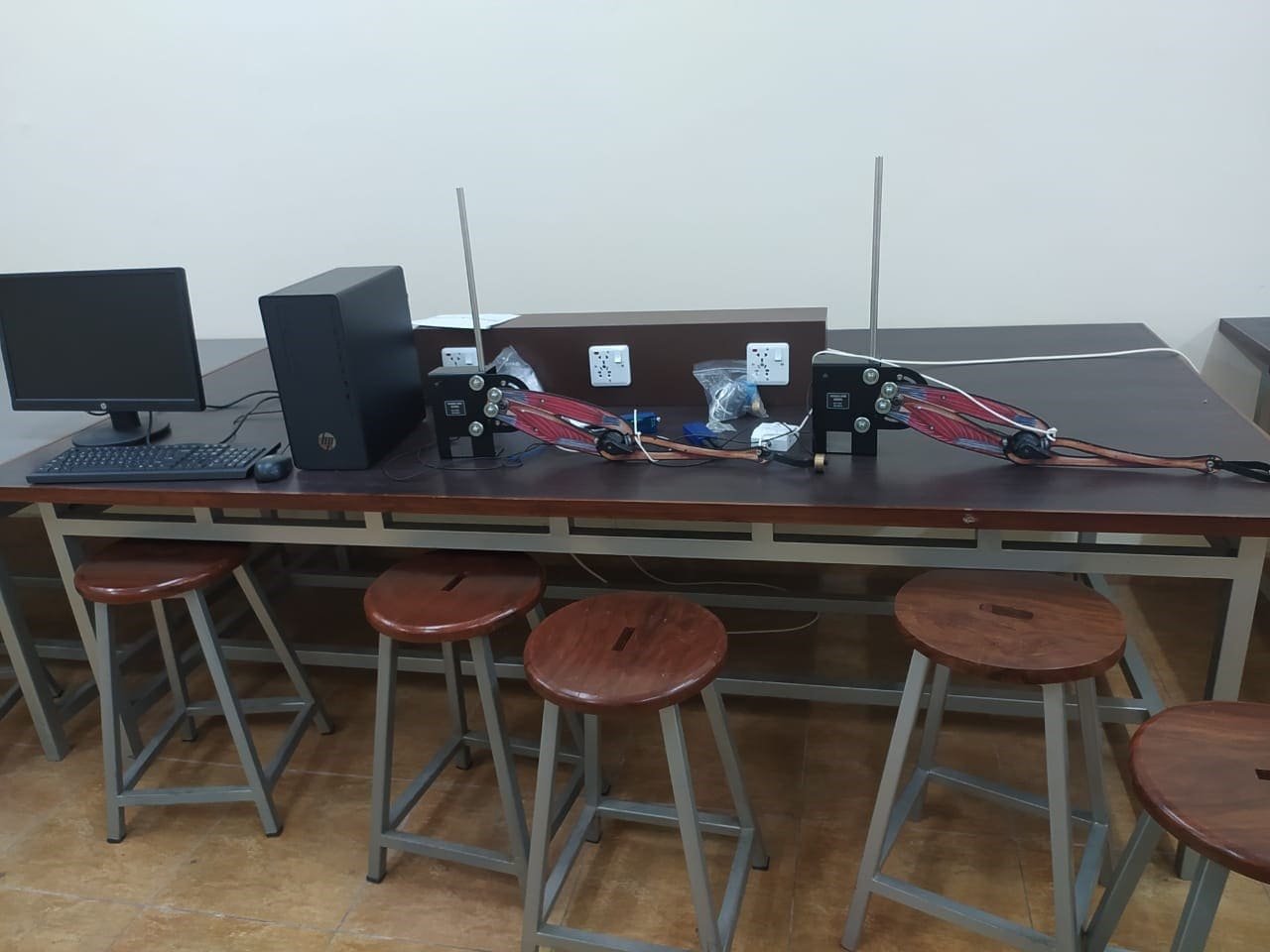
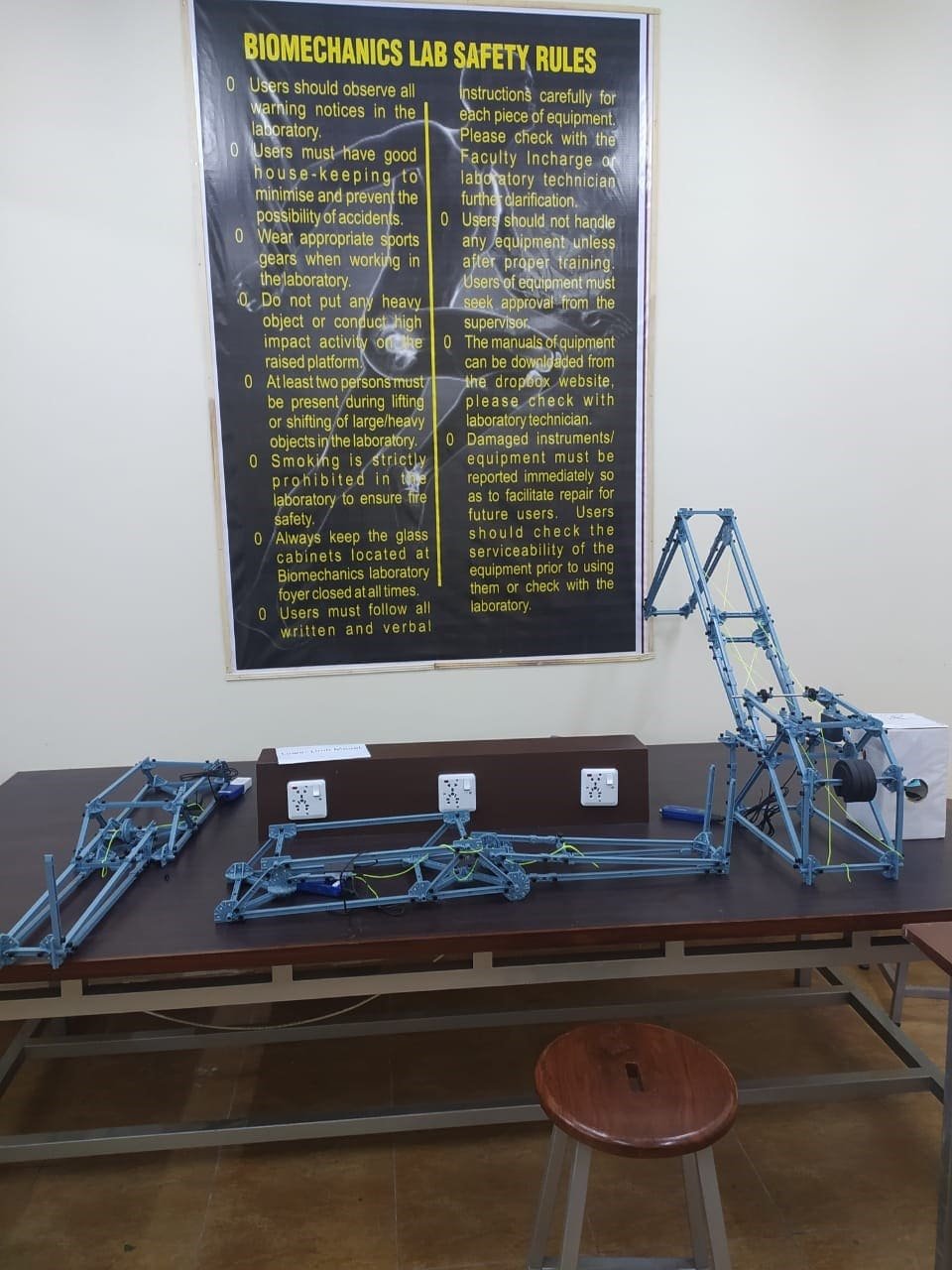
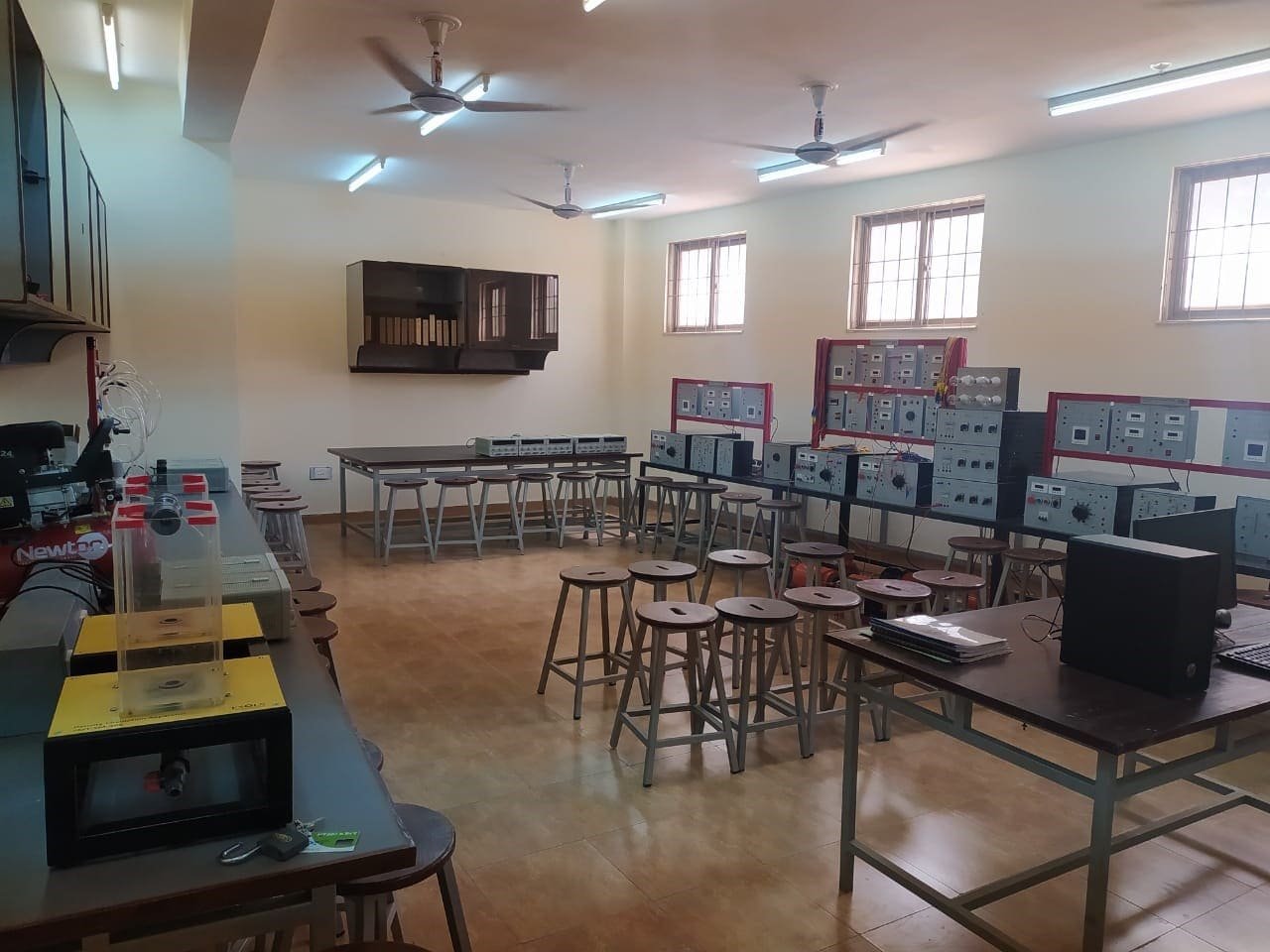
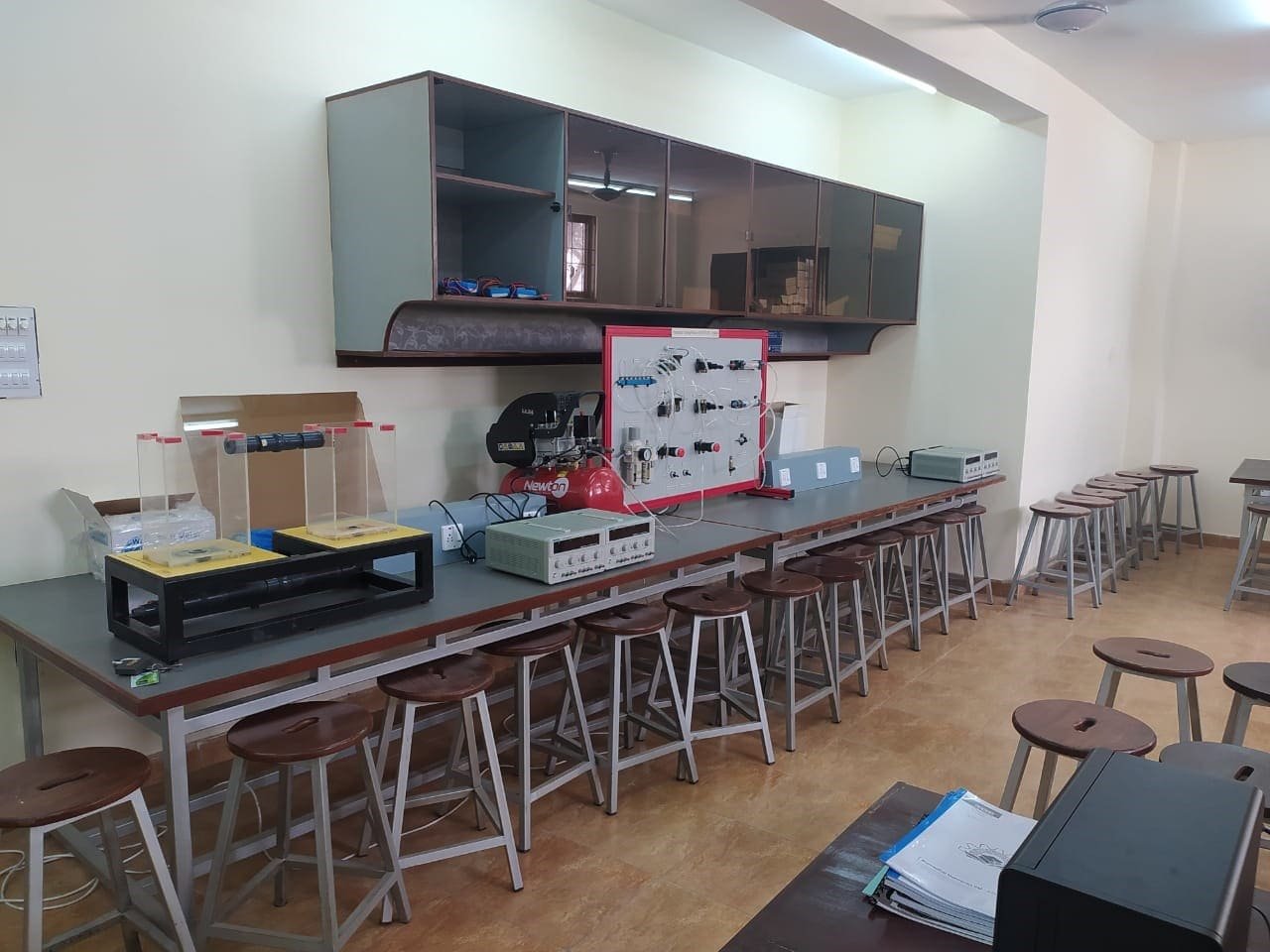
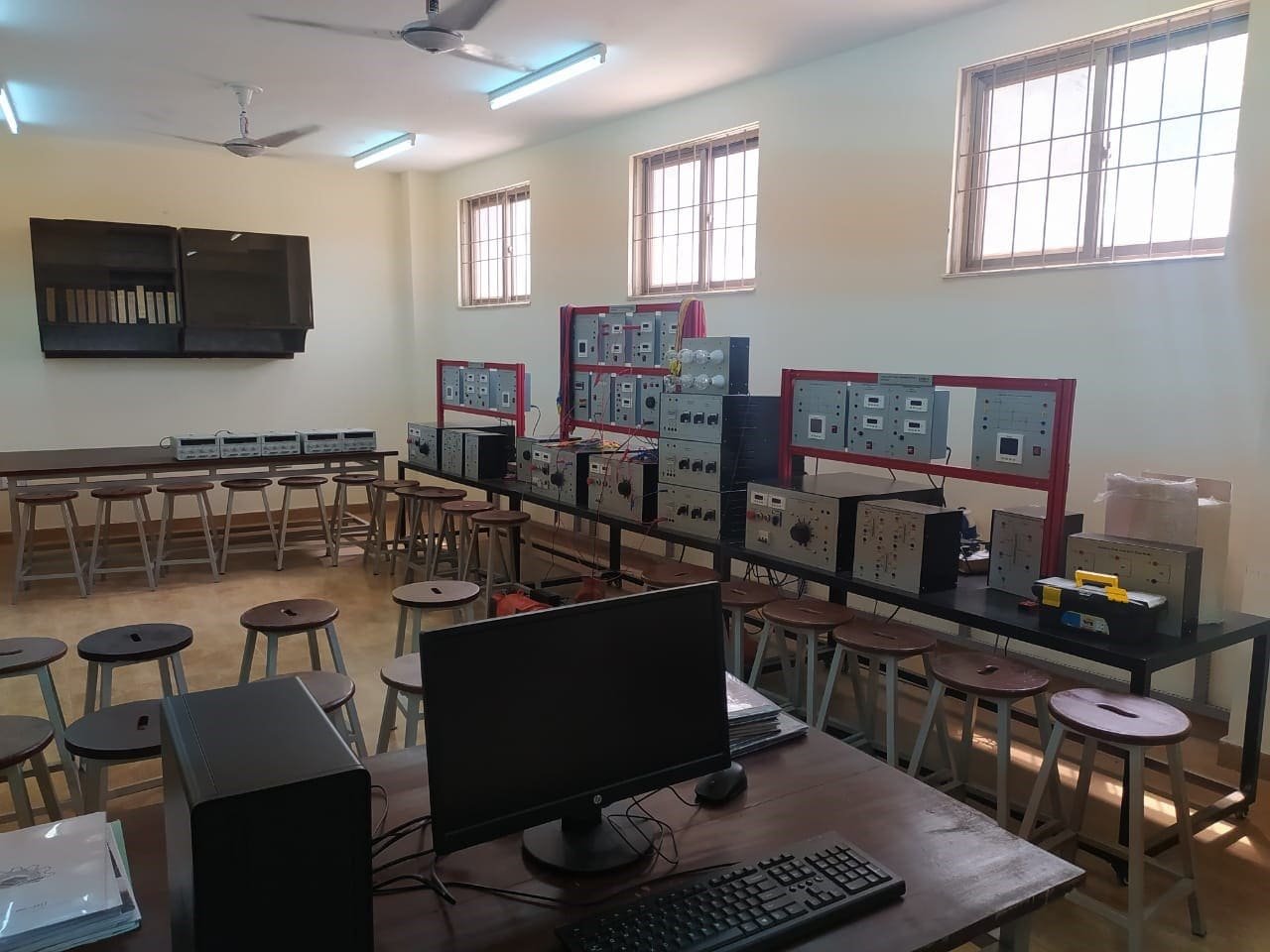
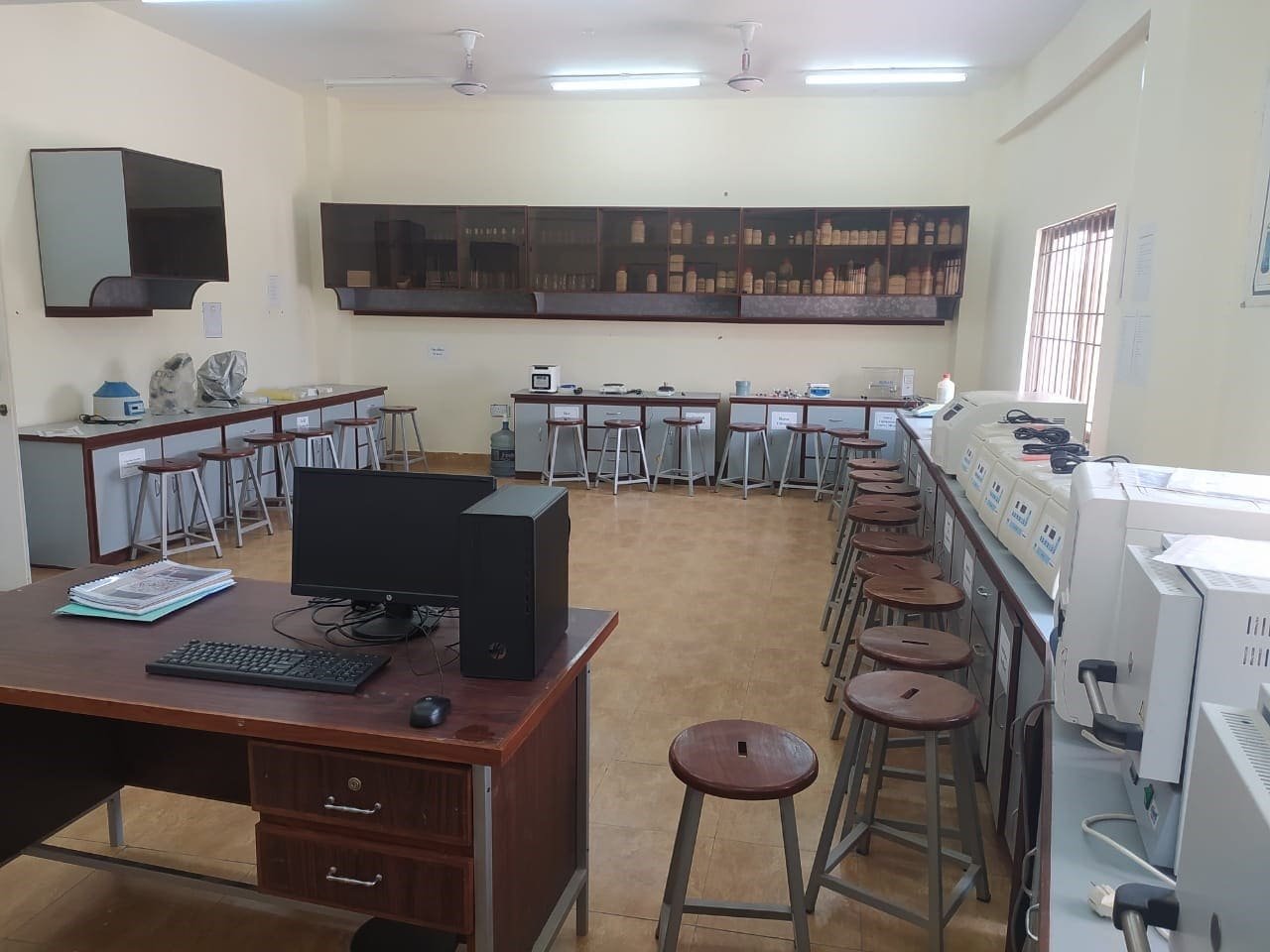
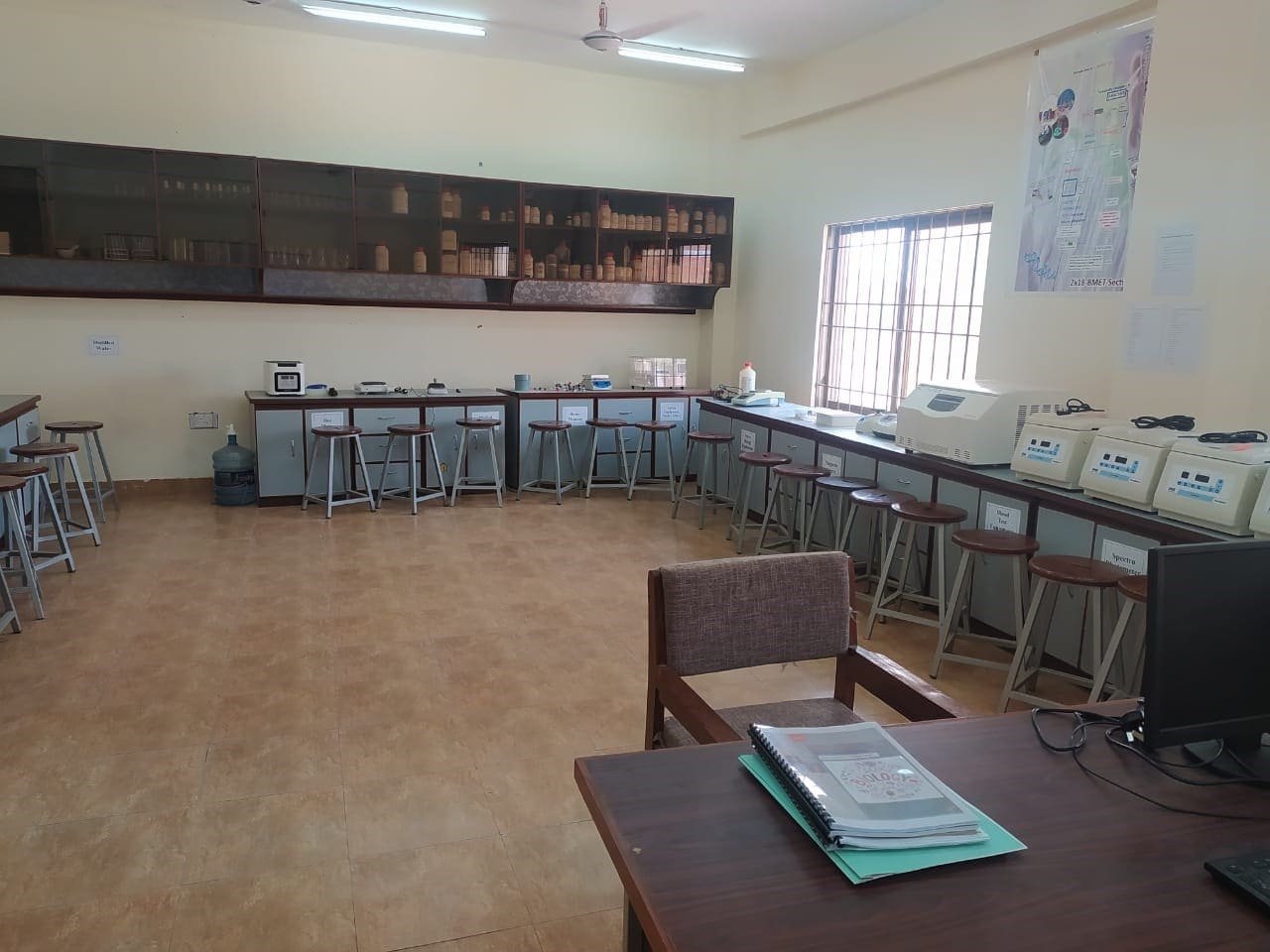
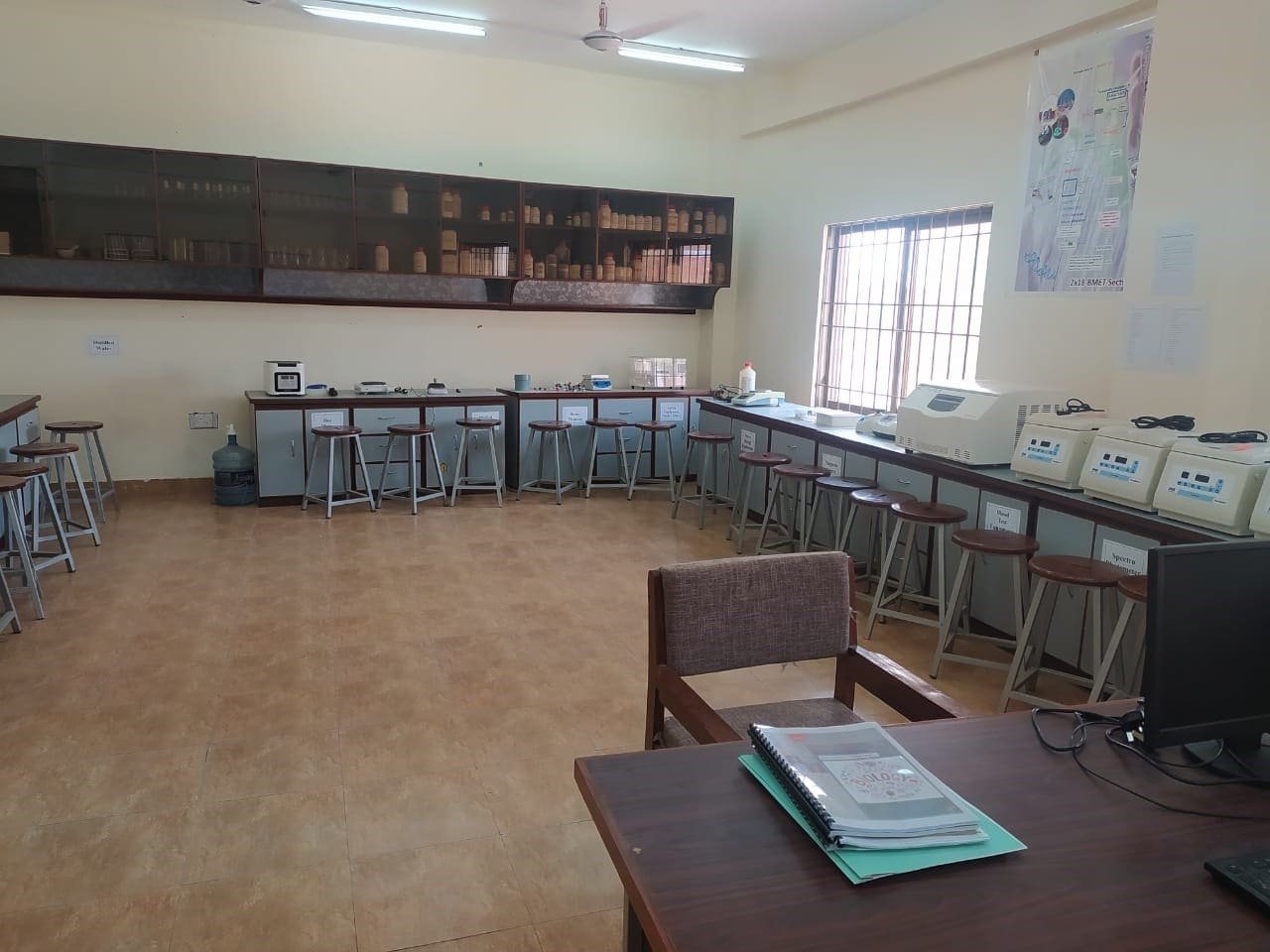
Department has recently equipped following 08 state-of-the-art labs with modern equipment:

  • Human Physiology & Anatomy lab
  • Computer lab
  • Biomechanics lab
  • Biomaterials lab
  • Electrical lab
  • Bio Physics lab
  • Bio Chemistry lab

Facilities

BioMedical Engineering department is a purpose built building that offers ample space for laboratories, training rooms, spacious class rooms, meeting and discussions rooms, video conference rooms, and faculty offices.

Facilities in the labs are for better learning and to prepared them to fulfill the future job requirements. Following facilities are available in our lab:

  • Auditorium       
  • Air conditioned classrooms
  • Access of Free Wifi
  • Highly Equipped computers for specialized applications
  • Research clusters


Program Education Objectives (PEOs):

  • Apply biomedical engineering knowledge to identify and address technical and societal problems
  • Be able to take initiative and/or develop innovative ideas for technological and professional growth keeping in view their societal and environmental impacts
  • Learn continuously and work effectively as a team lead in a multidisciplinary environment while demonstrating interpersonal and managerial skills with ethical responsibilities

Program Objectives

An undergraduate program in Biomedical Engineering/Technology provides a strong foundation in the basic sciences, mathematics, engineering and life sciences. The educational foundation, coupled with opportunities for extracurricular experiences, research/internship opportunities, teaching, advising and mentoring, provides a broad pathway for students to pursue a wide variety of post-graduate opportunities such as:

  • Utilization and enhancement of the engineering and biological training to solve problems regarding health and health care based on ethically sound principles
  • Development of leadership in the respective career in biomedical engineering and clinical practices
  • Graduates are trained to apply knowledge of biosciences, mathematics and engineering in practical domains
  • Biomedical engineers/technologists are able to design and conduct experiments as well as to analyze and interpret data
  • Graduates are professionals capable to function effectively on multidisciplinary teams

Program Education Objectives (PEOs)

  •   Apply biomedical engineering knowledge to identify and address technical and societal problems.
  •   Be able to take initiative and/or develop innovative ideas for technological and professional growth keeping in view their societal and environmental impacts.
  •   Learn continously and work effectively as a team lead in a multi-disciplinary environment while demonstrating interpersonal and managerial skills with ethical responsibilities.

Program Learning Outcomes (PLOs)

  • Engineering Technology Knowledge (SA1): An ability to apply knowledge of mathematics, natural science, Engineering Technology fundamentals and Engineering technology specialization to defined and applied Engineering Technology procedures, processes, systems or methodologies.
  • Problem Analysis (SA2): An ability to identify, formulate, research literature and analyze broadly-defined Engineering Technology problems reaching substaintiated conclusions using analytical tools appropriate to the discipline or area of specialization.
  • Design/Development of Solutions (SA3): An ability to design solutions for broadly-defined Engineering Technology problems and contribute to the design of systems, components or processes to meet specified needs with appropriate consideration for public health and safety, cultural, societal, and environmental considerations.
  • Investigation (SA4): An ability to conduct investigations of broadly-defined problems; locate, search and select relevant data from codes, databases and literature, design and conduct experiments to provide valid conclusions.
  • Modern Tool usage (SA5): An ability to select and apply appropriate techniques, resources, and modern technology and IT tools, including prediction and modeling, to broadly-defined Engineering Technology problems, with an understanding of the limitations.
  • The Engineering Technologist and Society (SA6): An ability to demonstrate understanding of the societal, health, safety, legal and cultural issues and the consequent responsibilities relevant to Engineering Technology practice and solutions to broadly defined Engineering Technology problems.
  • Environment and Sustainability (SA7): An ability to understand and evaluate the sustainability and impact of Engineering Technology work in the solution of broadly defined Engineering Technology problems in societal and environmental contexts.
  • Ethics (SA8): Understand and commit to professional ethics and responsibilities and norms of Engineering Technology practice.
  • Individual and Team Work (SA9): An ability to function effectively as an individual, and as a member or leader in diverse teams.
  • Communication (SA10): An ability to communicate effectively on broadly defined Engineering Technology activities with the Engineering Technologist community and with society at large, by being able to comprehend and write effective reports and design documentation, make effective presentations, and give and receive clear instructions.
  • Project Management (SA11): An ability to demonstrate knowledge and understanding of Engineering Technology management principles and apply these to one's own work, as a member or leader in a team and to manage projects in multidisciplinary environments.
  • Lifelong Learning (SA12): An ability to recognize the need for, and have the ability to engage in independent and life-long learning in specilist Engineering Technologies.

Curriculum

Keeping in view the regularly updating market requirements, curriculum for BSc Biomedical Engineering Technology program is being regularly updated right from its commencement in 2016. Presently it is as per the latest guidelines of Higher Education Commission. Advanced courses are included according to the changing field requirements at both national and international levels. These courses provide quantitative training, emphases on problem-solving and design the phenomena from the molecular to the system level.

Curriculum

BS Bio-Medical Engineering Technology


Semester 1


Semester 2

Code

Course

Credit Hours

Contact Hours of Lab

Total Contact Hours


Code

Course

Credit Hours

Contact Hours of Lab

Total Contact Hours


Theory

Lab


Theory

Lab


PHY-110

Applied Physics

2

1


ET-101

Electrical Technology

2

2


CS-101

Computing Fundamentals

2

1


BMT-121

Human Physiology & Anatomy-I

2

2


CY-100

Applied Chemistry

2

1


ET-114

Electronics Circuit Technology

2

2


BMT-111a/BMT-111b

Basic Biology/Basic Mathematics

2

3

1

0


MA-101

Applied Mathematics

3

0


IS-101

Islamic and Pak Studies-I

3

0


IS-102

Islamic and Pak Studies-II

3

0


HU-101

Communication Skills-I

0

1


11

12

5

4


12

6


Total Credit Hours

16


Total Credit Hours

18


Semester 3


Semester 4

Code

Course

Credit Hours

Contact Hours of Lab

Total Contact Hours


Code

Course

Credit Hours

Contact Hours of Lab

Total Contact Hours


Theory

Lab


Theory

Lab


BMT-212

Human Physiology & Anatomy-II

2

2


BMT-225

Biomechanics

2

2


ET-212

Digital Systems Technology

2

2


BMT-221

Introduction to Cell Biology

2

2


BMT-222

Biochemistry

2

2


ET-224

Introduction to Signals & Systems

2

2


MT-201

Technical Drawing

0

2


ET-222

Microcontrollers

2

2


ET-213

Electromechanical Technology

2

2


HU-201

Communication Skills-II

0

1


8

10


8

9


Total Credit Hours

18


Total Credit Hours

17


Semester 5


Semester 6

Code

Course

Credit Hours

Contact Hours of Lab

Total Contact Hours


Code

Course

Credit Hours

Contact Hours of Lab

Total Contact Hours


Theory

Lab


Theory

Lab


BMT-314

Biomaterials

2

2


BMT-316

Bioinstrumentation-II

2

2


BMT-311

Bioinstrumentation-I

2

2


BMT-321

Health Care Management

3

0


BMT-326

Biostatistics

3

0


BMT-337

Biomedical Imaging Techniques

2

2


MT-302

Workshop Practice

0

  2


BMT-312

Industrial Biotechnology

2

2


MGT-314 

 Entrepreneurship and Business Management

3


BMT-327

Project-based Learning Module

0

3


10

6


9

9


Total Credit Hours

16


Total Credit Hours

18


Semester 7


Semester 8

Code

Course

Credit Hours

Contact Hours of Lab

Total Contact Hours


Code

Course

Credit Hours

Contact Hours of Lab

Total Contact Hours


Theory

Lab


Theory

Lab


BMT-421a

Industrial Training


16


BMT-421b

Industrial Training


16


Total Credit Hours

16


Total Credit Hours

16


Accreditation

All batches right from 2016 are accredited with National Technology Council (NTC), Pakistan and the process for later batches is in progress. Accreditation with NTC grants graduates a license to enter in their professional career either through employment or with their own relevant business.

Faculty Members

Faculty at NFC-IET have impeccable qualifications, extensive expertise and experience in their chosen fields and an overriding commitment to the welfare of their students. Our faculty is one of the biggest reasons why students select NFC-IET.

Navigation Menu