

Introduction

Criminology is the scientific study of crime, criminal behavior, and the systems and institutions that respond to them. It draws upon law, sociology, psychology, and forensic science to understand why crimes occur and how societies can prevent them. Criminologists analyze evidence, behavior, and social trends to design fair and effective responses to crime and justice challenges. Principal areas of study within criminology include criminal law and procedure, policing and investigation, forensic science, correctional systems, victimology, crime prevention, digital and cybercrime, human rights and justice ethics, rehabilitation, and restorative justice. Students of criminology develop a unique combination of analytical, ethical, and practical skills highly valued by employers—such as critical thinking, research and data analysis, communication, and decision-making under pressure. Graduates find diverse career opportunities in law enforcement agencies, courts, correctional institutions, forensic and intelligence services, policy think tanks, NGOs, international organizations, and academic and research institutions.

Mission

To provide high-quality, outcome-based criminology education that integrates theory, research, and practice; to cultivate professionals equipped with analytical, ethical, and communication skills; and to engage in innovative research and community partnerships addressing the challenges of crime, justice, and social responsibility in a rapidly changing world.

Message from Focal Person

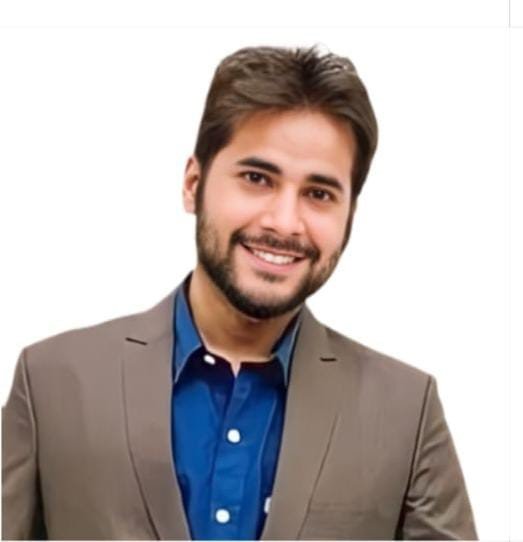
Dr. Shoaib Asim 

Real-world engagement and experiential learning are essential for criminology students to connect theory with practice. The Department of Criminology at NFC-IET emphasizes project-based learning, field research, and exposure to the justice system to build the analytical and ethical skills our graduates need to succeed. Our students regularly visit prisons, police training schools, forensic laboratories, and rehabilitation centers to gain insight into real-world operations. They also undertake internships and research attachments with government departments, NGOs, and investigative agencies to understand how criminological knowledge translates into community safety, rehabilitation, and justice reform. Through these opportunities, the department ensures that every student not only learns about crime and justice but also experiences the responsibility of contributing to a fairer and more secure society.

Programs Offered

  • BS Criminology

Program Objectives

Strategic Objectives

  1. Academic & Professional Excellence: Deliver rigorous grounding in criminological theory, law, research design, and evaluation—so graduates can analyze complex crime and justice problems and make sound, defensible decisions in real settings.
  2. Research, Innovation & Evidence Uptake: Advance high-quality, data-driven research and turn findings into practice through policy evaluation, toolkits/SOPs, and collaborative projects with justice and community partners.
  3. Ethics, Rights & Leadership: Embed integrity, human rights, and social justice across teaching and practice, preparing graduates to lead reform, reduce bias, and uphold accountability within justice institutions.
  4. Communication, Collaboration & Community Impact: Build strong written/oral communication and teamwork across disciplines and agencies; co-design prevention, victim support, and reintegration initiatives with measurable community benefit.
  5. Global, Technology & Lifelong Development: Integrate digital forensics, crime analysis, GIS, and comparative/international perspectives; cultivate continuous learning and professional growth to keep pace with evolving laws, risks, and methods.

Facilities

The Department of Criminology at NFC-IET is designed to support rigorous learning and open dialogue. Our floor includes modern, well-equipped classrooms, a seminar room for workshops and guest talks, and quiet study areas for individual work. Informal student commons and discussion nooks encourage collaboration, mentoring, and peer learning. A small resource corner houses key reference texts, policy documents, and access points for digital databases through the central library. Notice boards and digital displays keep students updated on field visits, internships, and research opportunities with justice-sector partners. The layout prioritizes accessibility, natural light, and comfortable seating so students and faculty can meet, plan projects, and reflect on real-world justice challenges. Together, these spaces foster a community of inquiry—linking classroom learning with field exposure, ethical reflection, and professional development.

Faculty Members

The Department of Criminology at NFC-IET is led by a team of accomplished criminologists, legal experts, psychologists, and social researchers with deep academic and field experience. They blend theory with practical insight, mentor students closely, and foster ethical, analytical, and evidence-based approaches to justice. Through active research and collaboration with law enforcement, correctional, and policy institutions, our faculty prepare students to become skilled criminologists ready to contribute to crime prevention, rehabilitation, and social reform. Their dedication to teaching and community service remains one of the department’s greatest strengths—and a key reason student choose NFC-IET.

  • Dr. Shoaib Asim (Focal Person) 
  • Ali Raza Shamsi (Co-Ordinator)
  • Dr. Ahmad Saad (Sociologist)
  • Syed Haider Raza Naqvi (Criminologist)
  • Touqir Altaf (LLB)

Navigation Menu