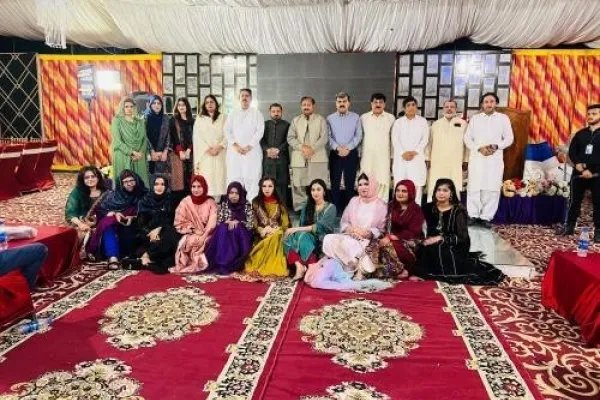
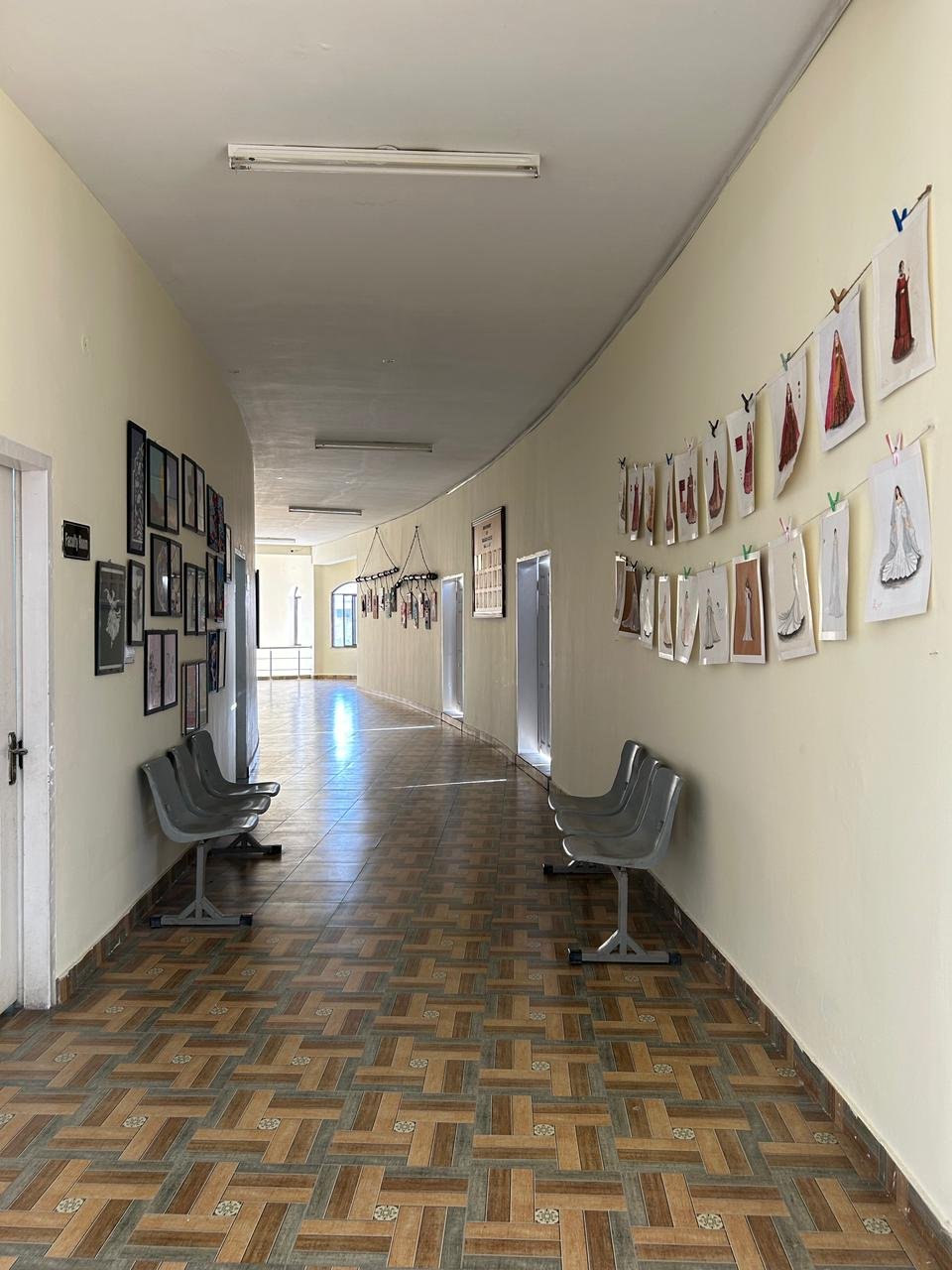
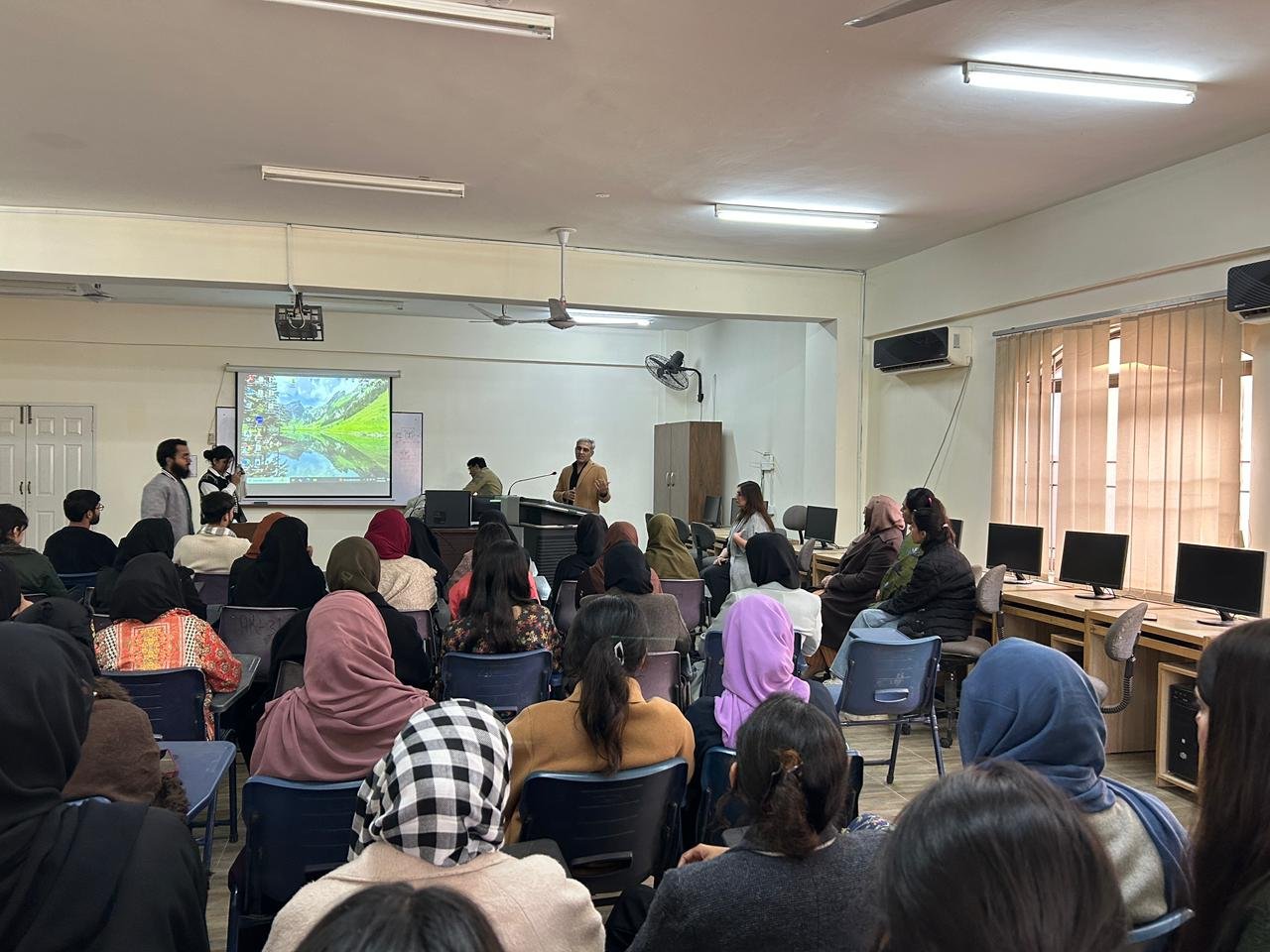
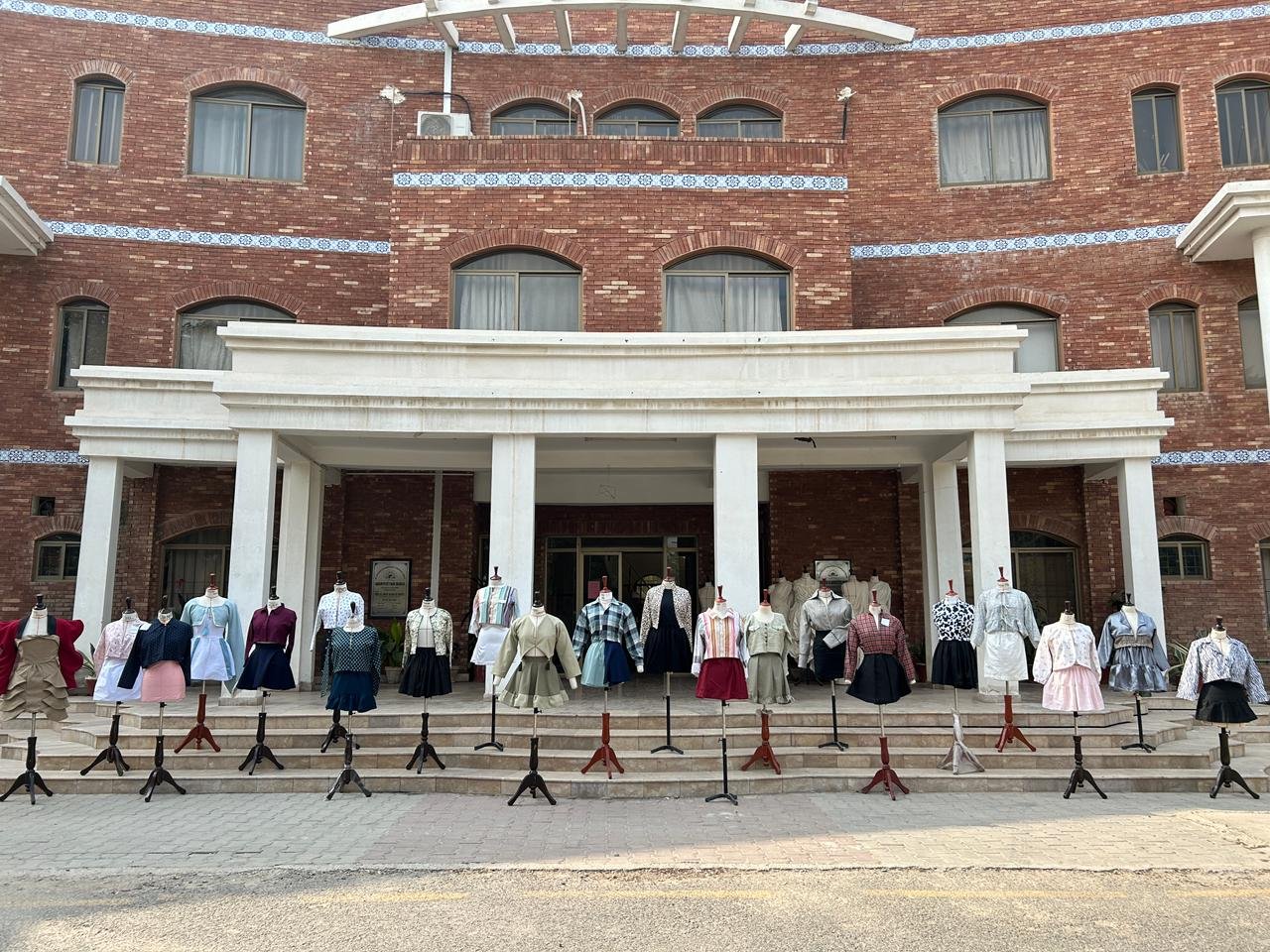
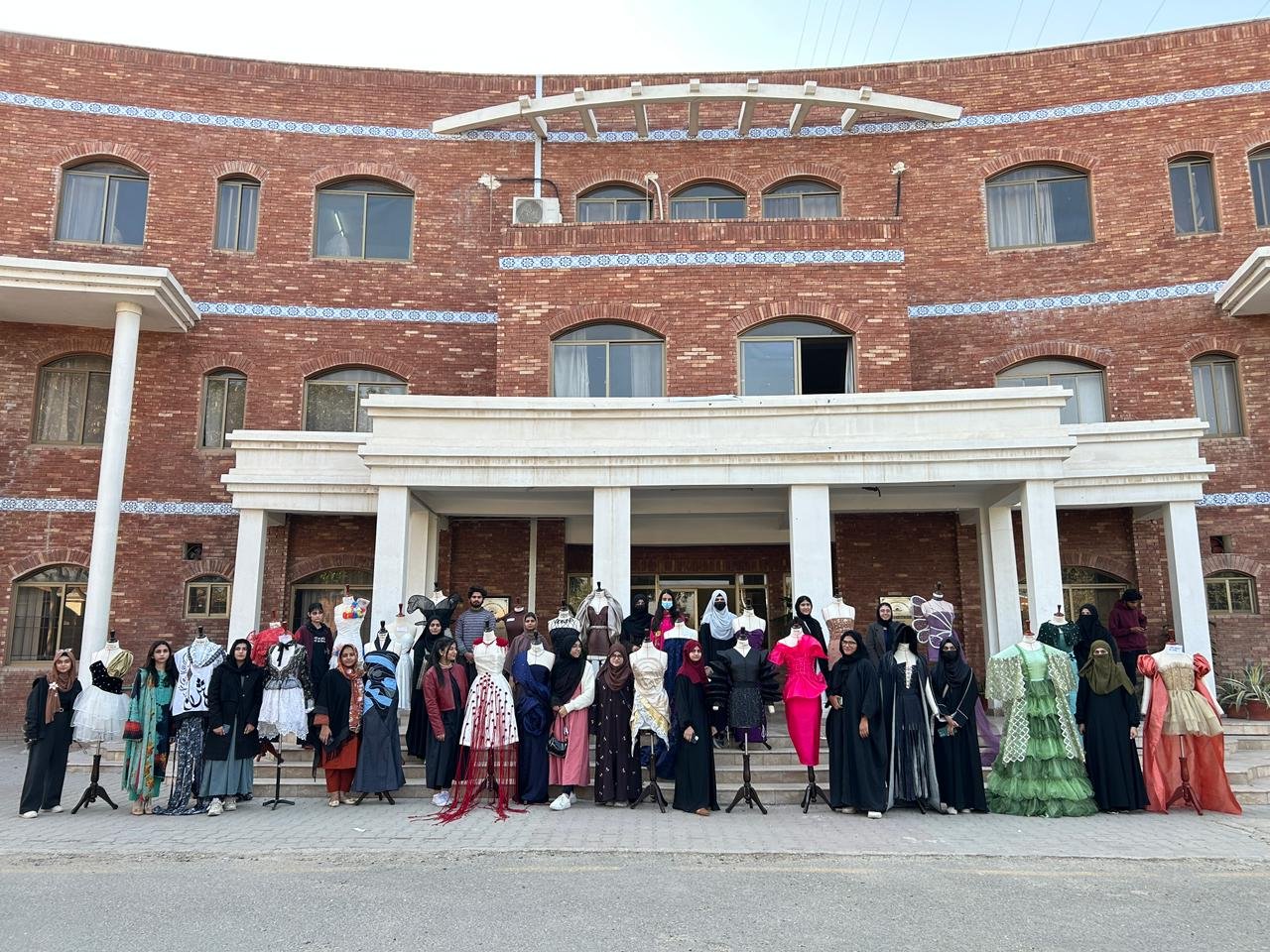
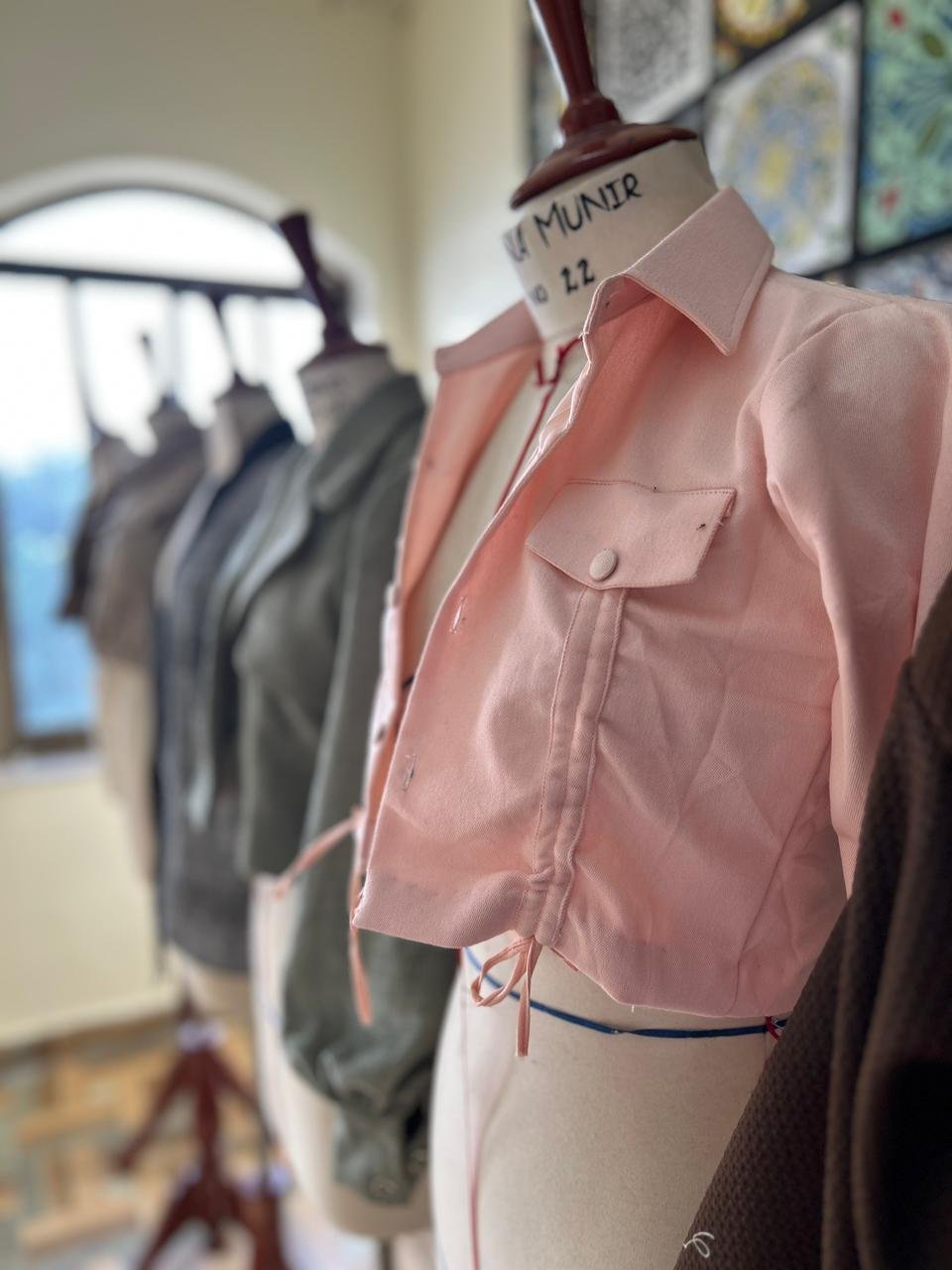
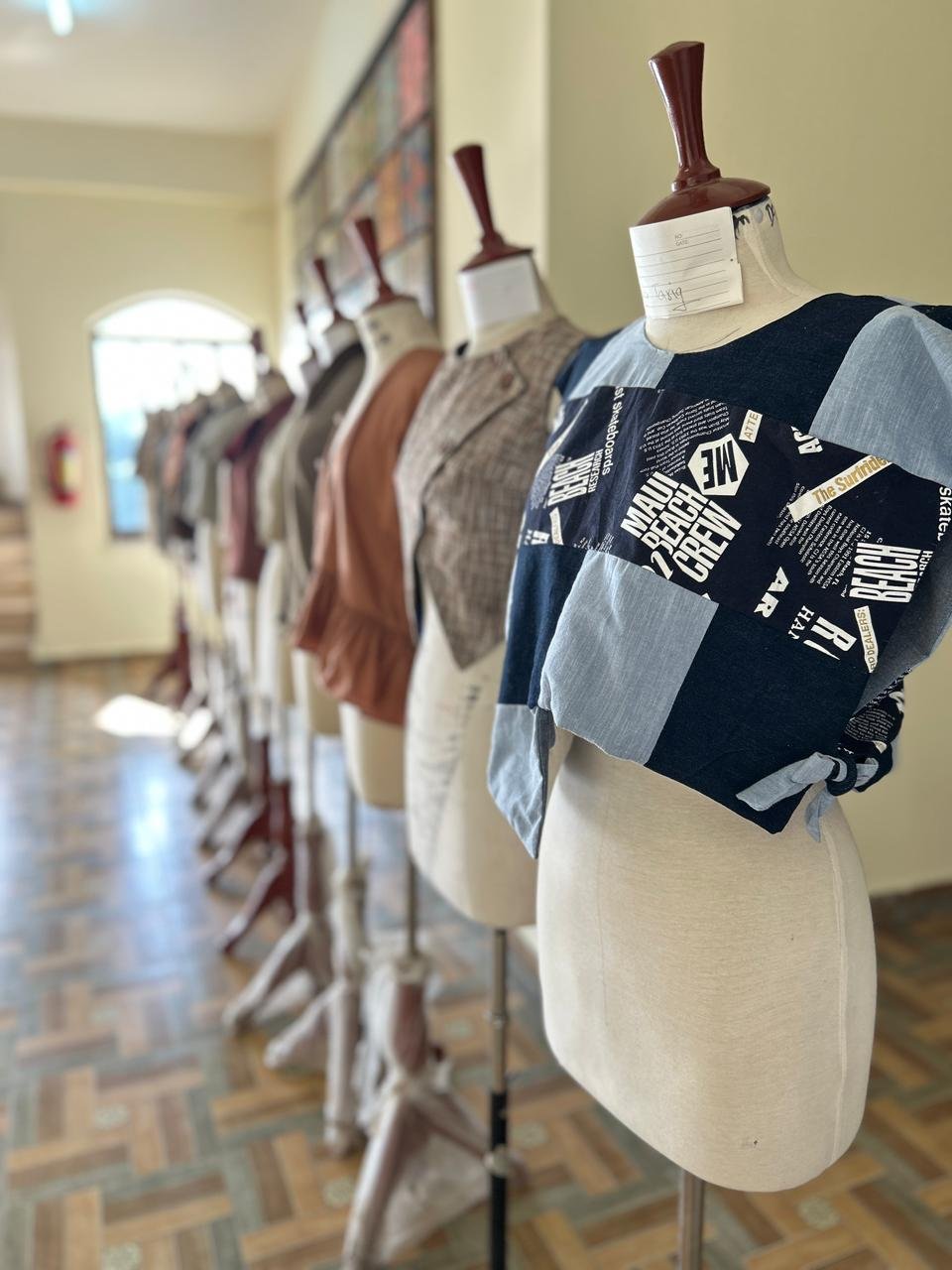
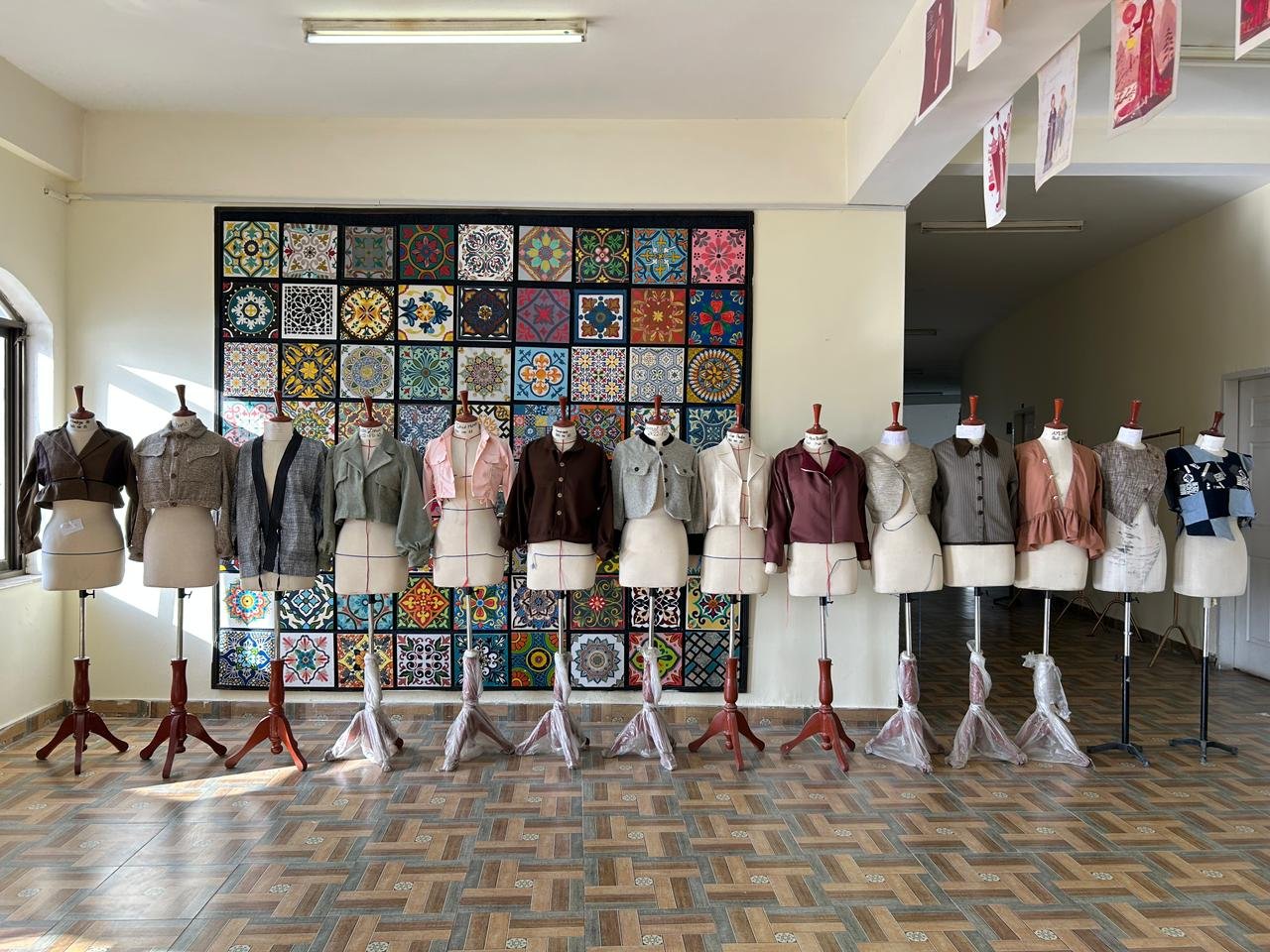
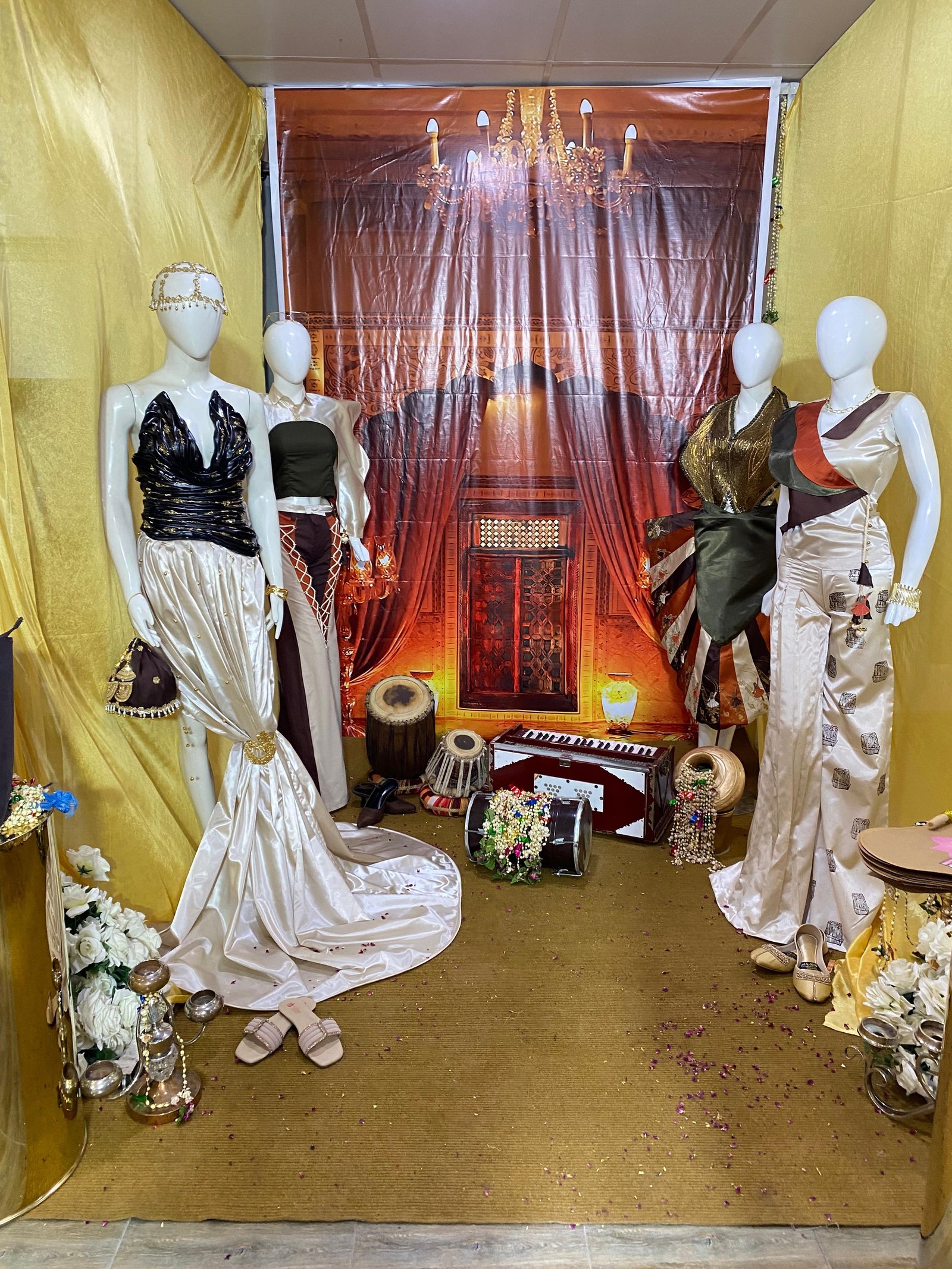
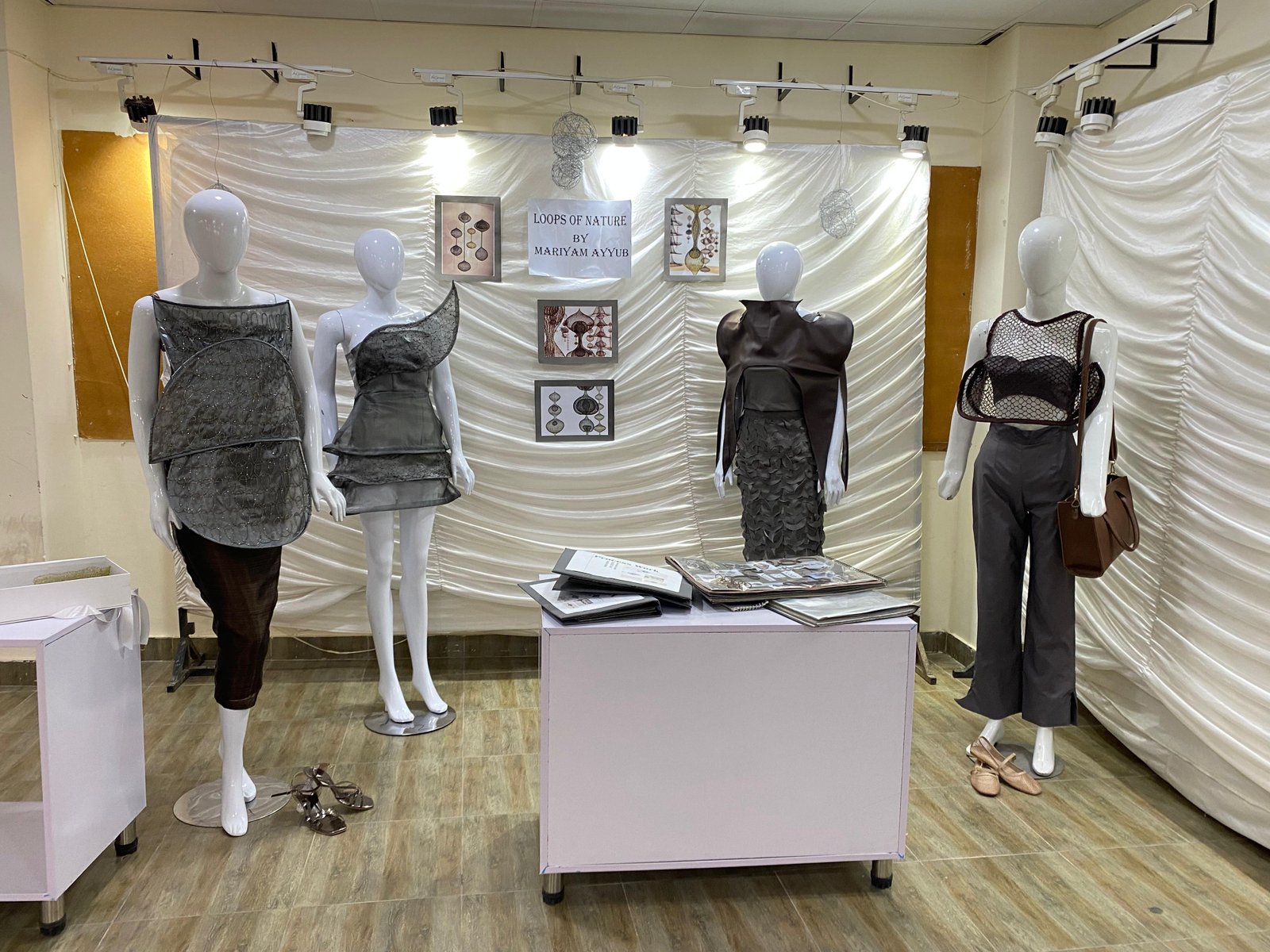
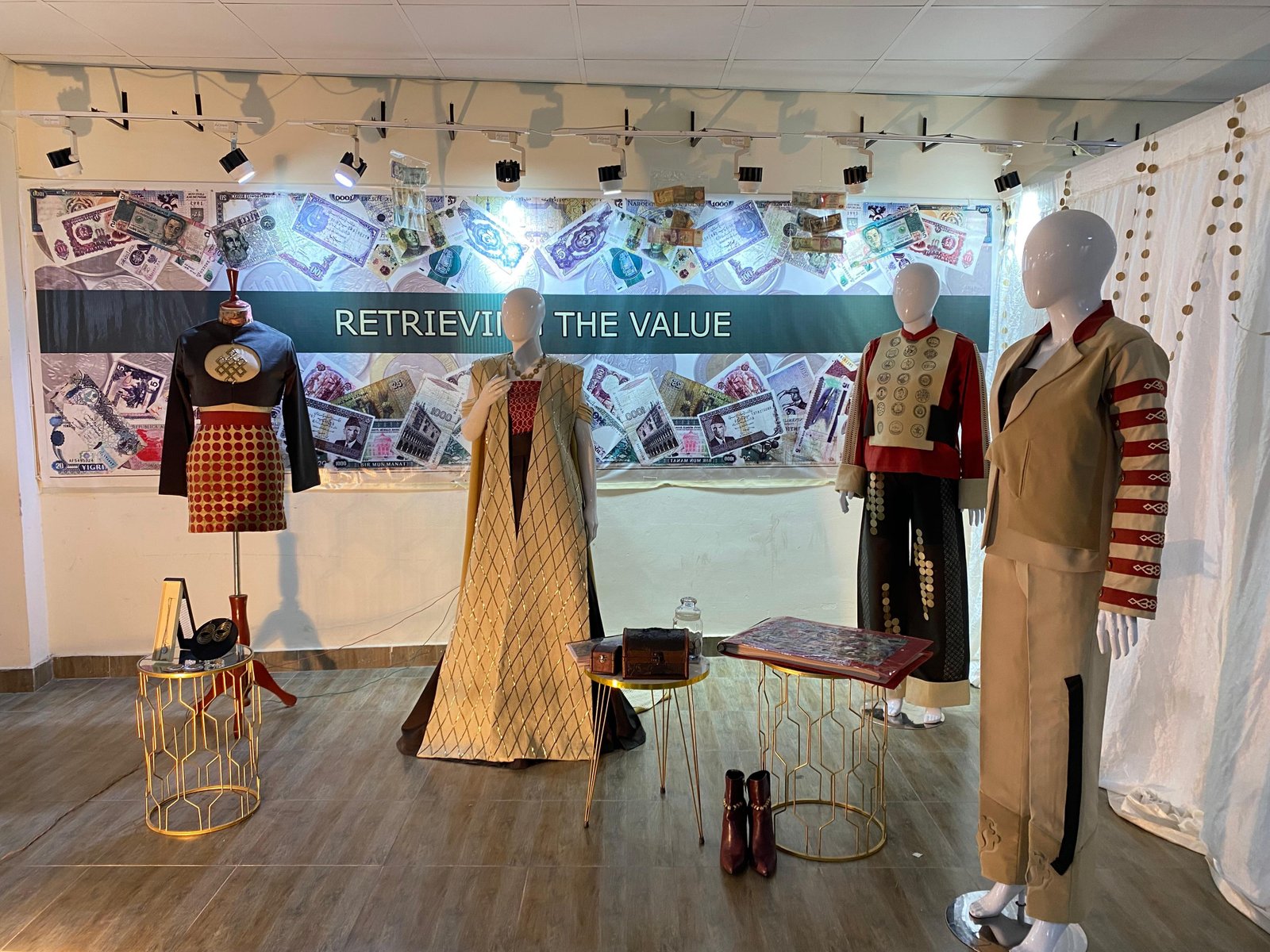
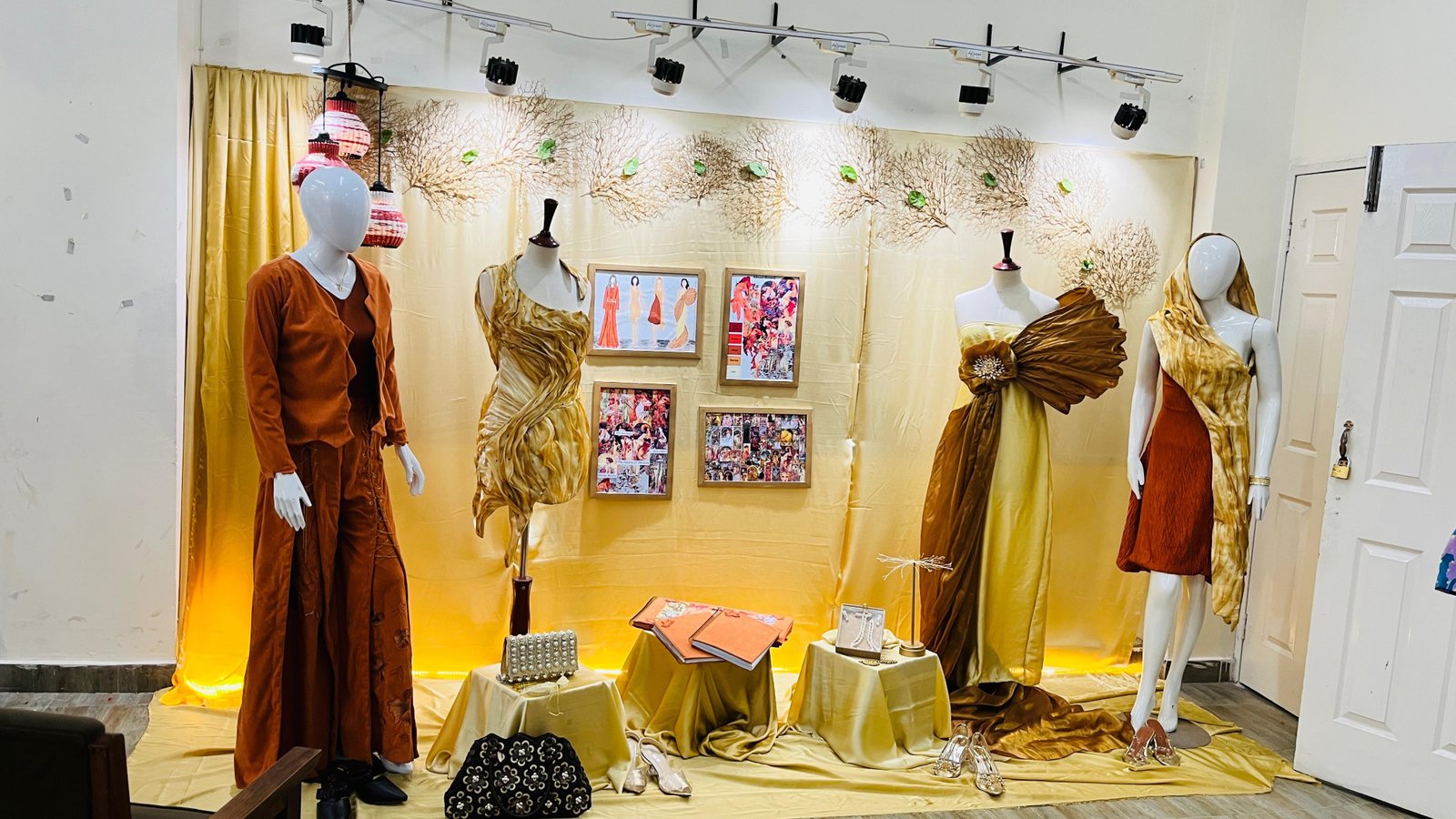
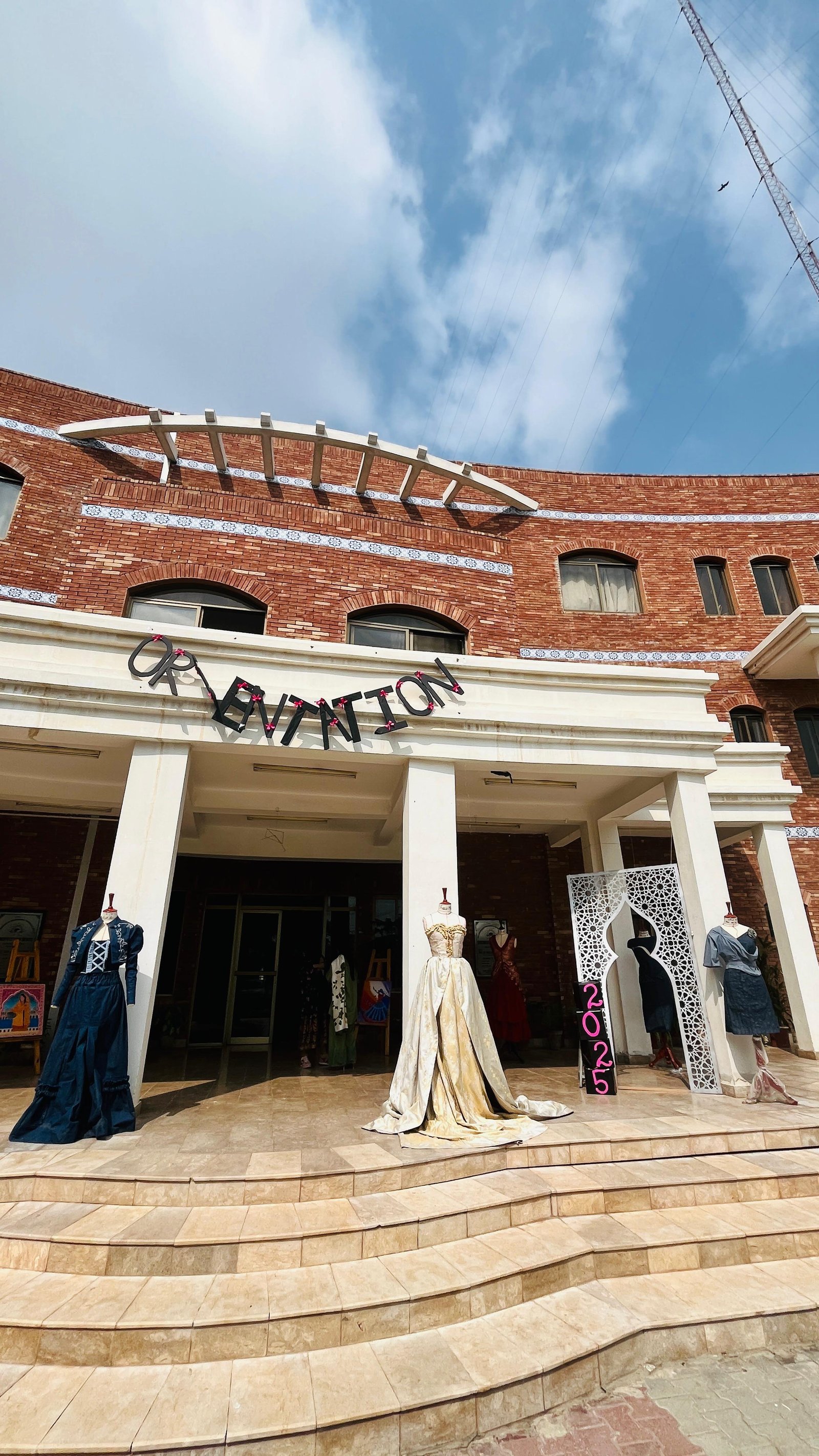
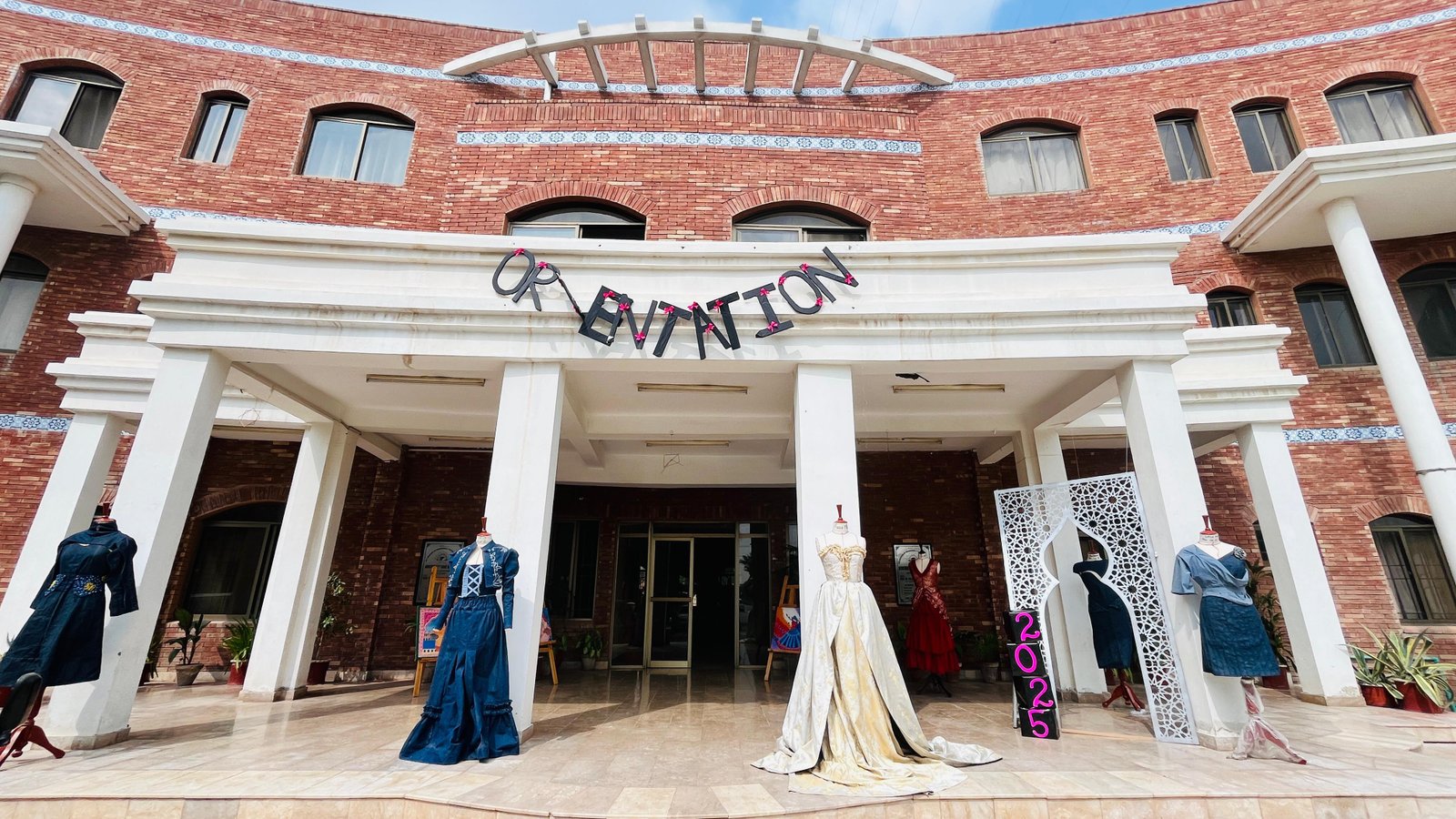
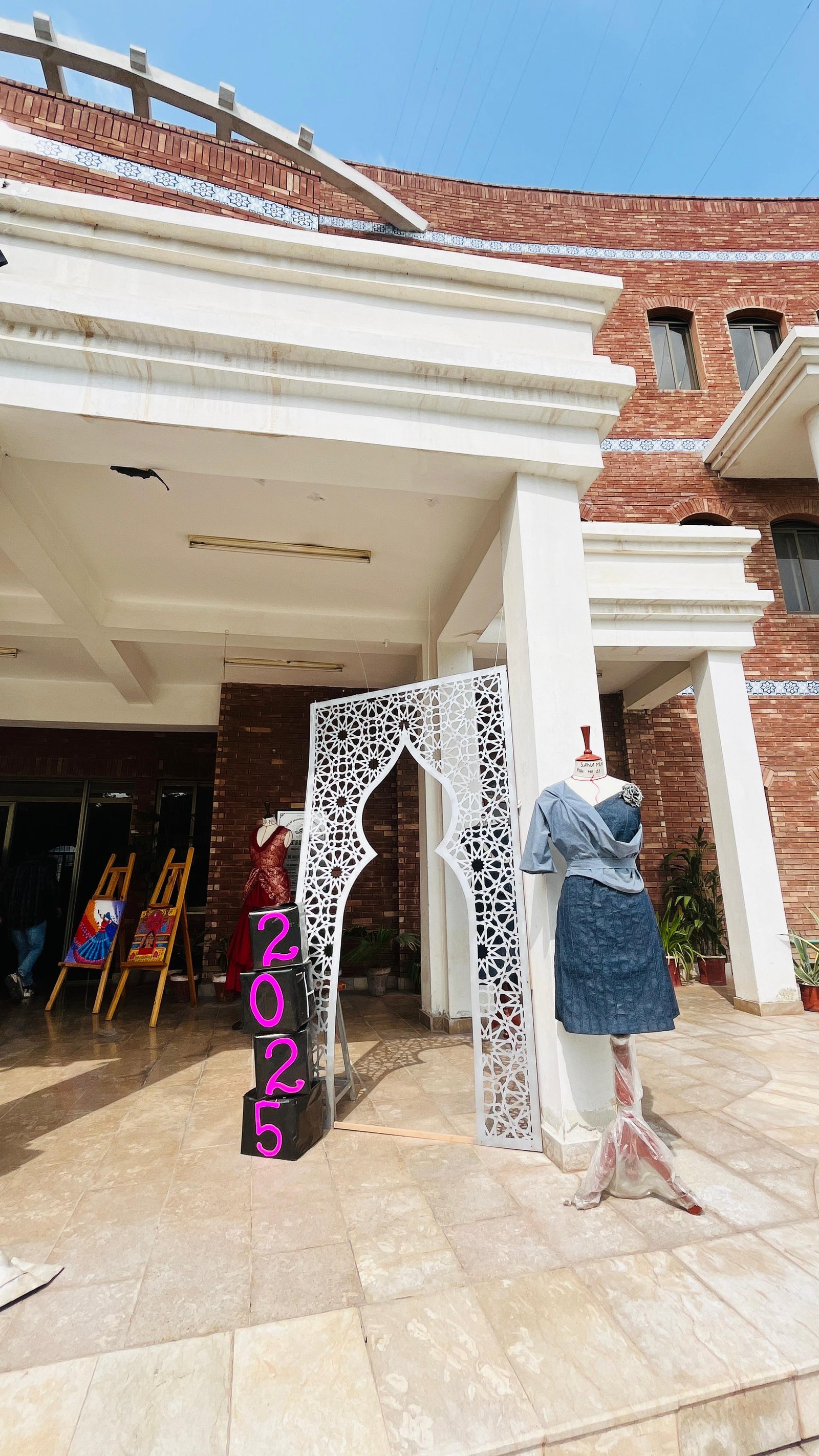
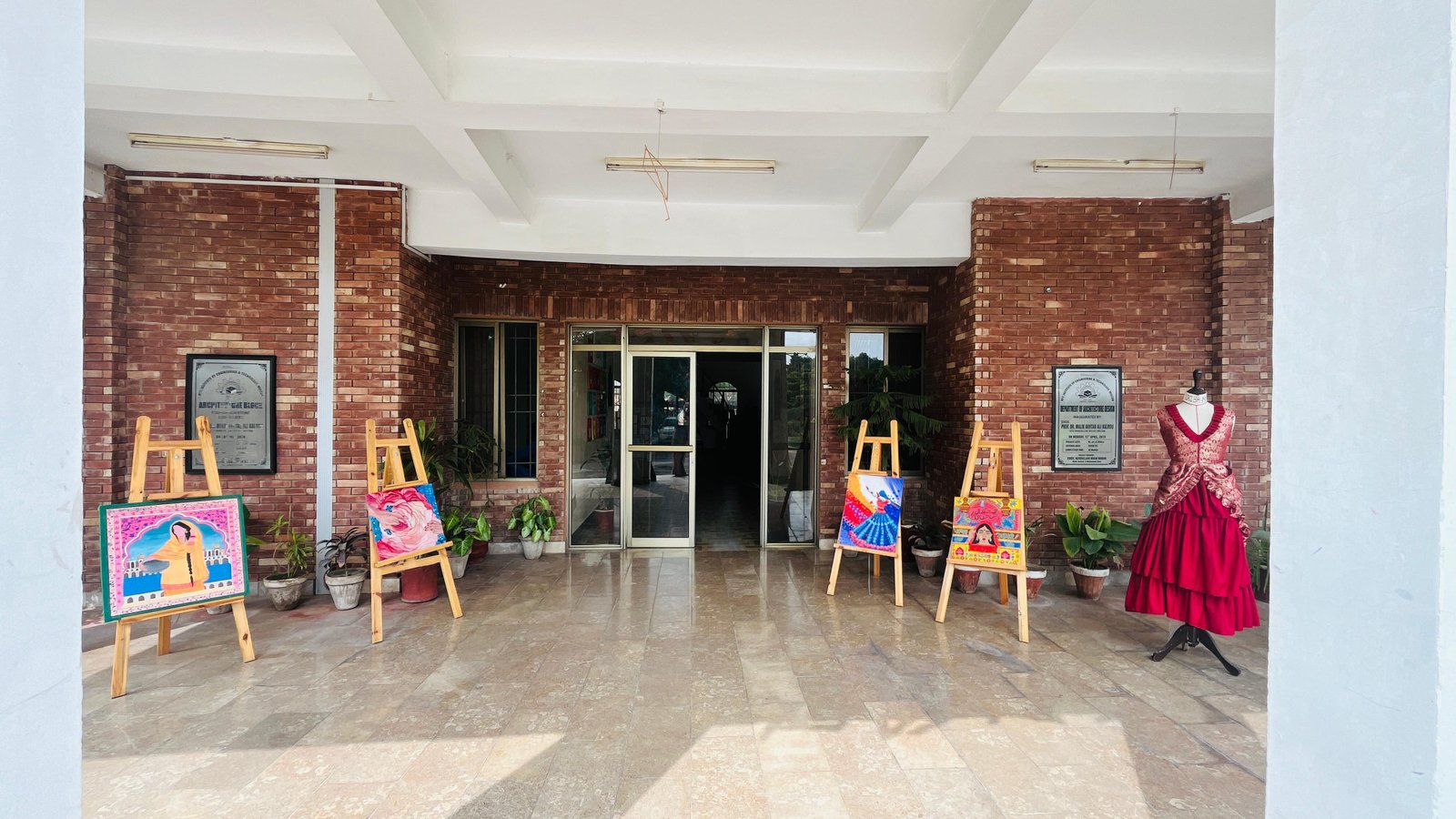
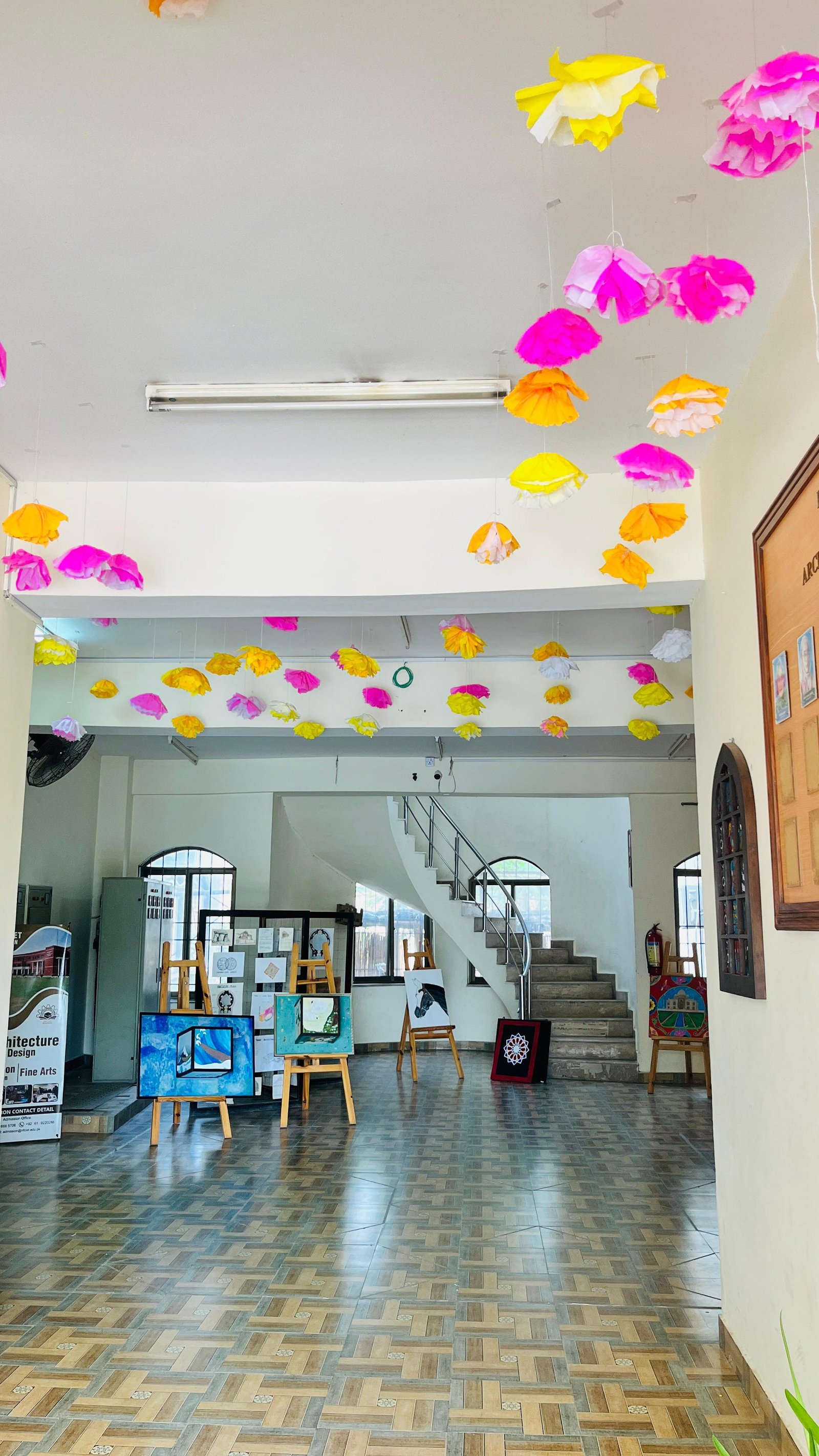
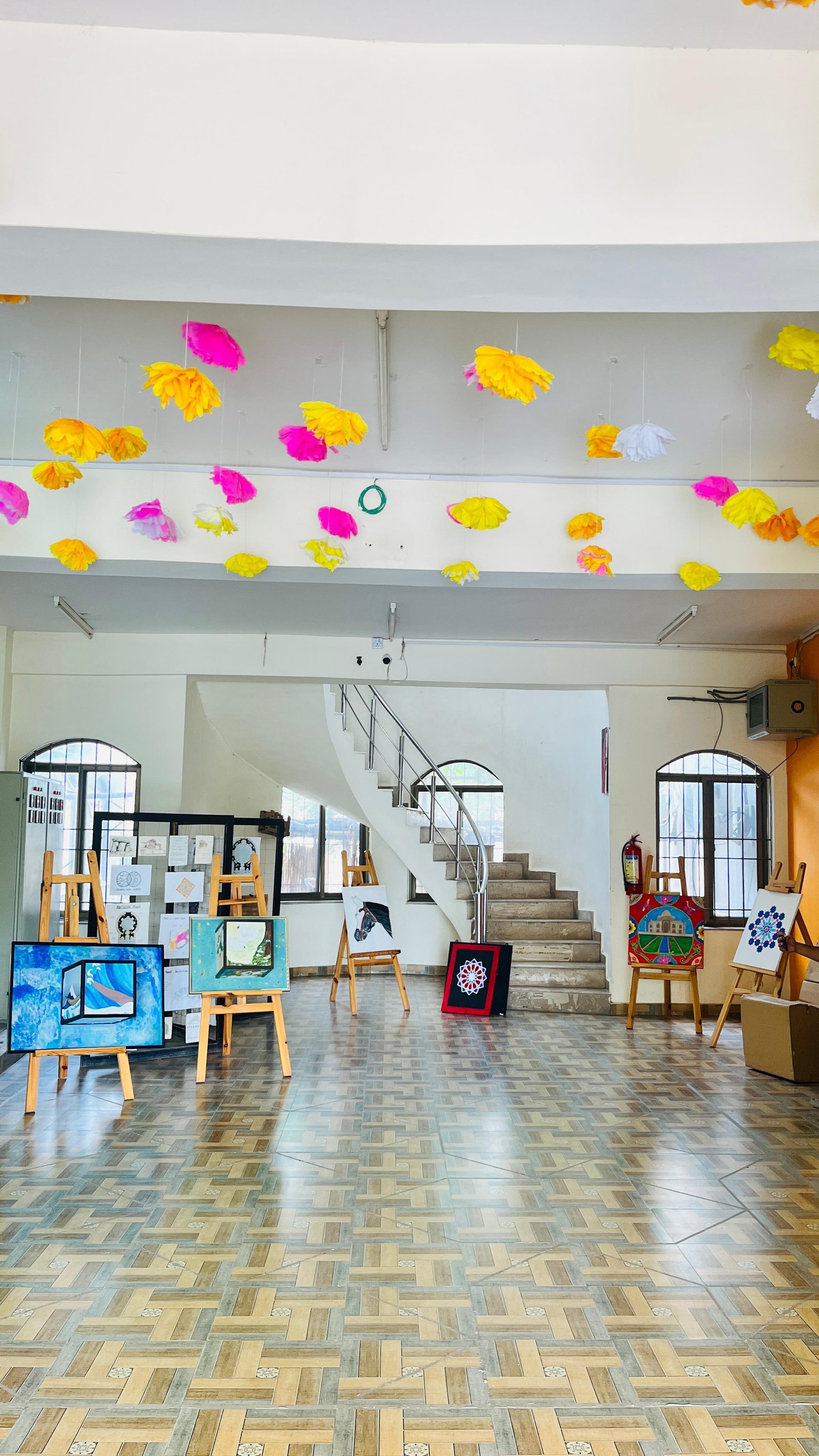
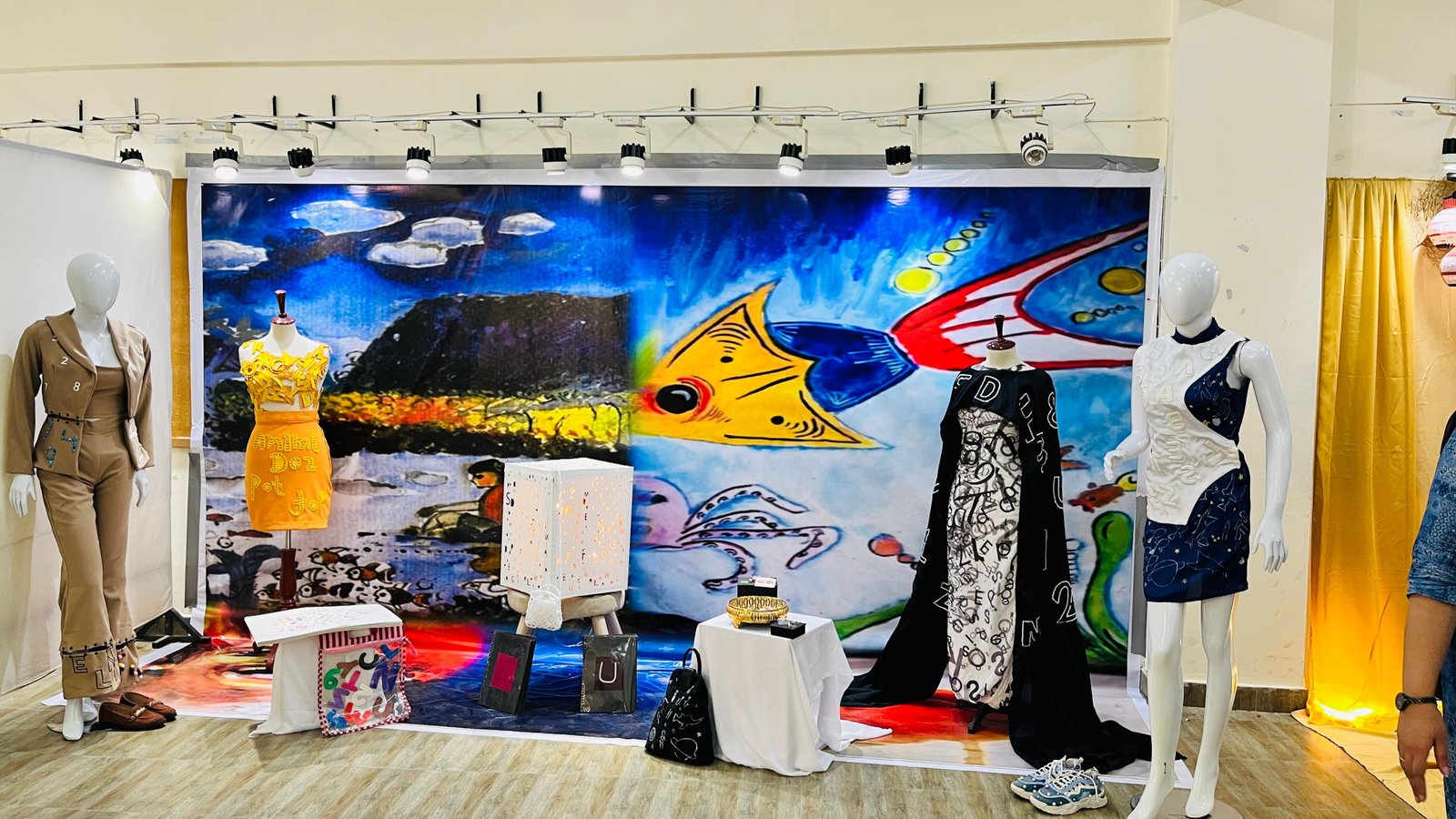
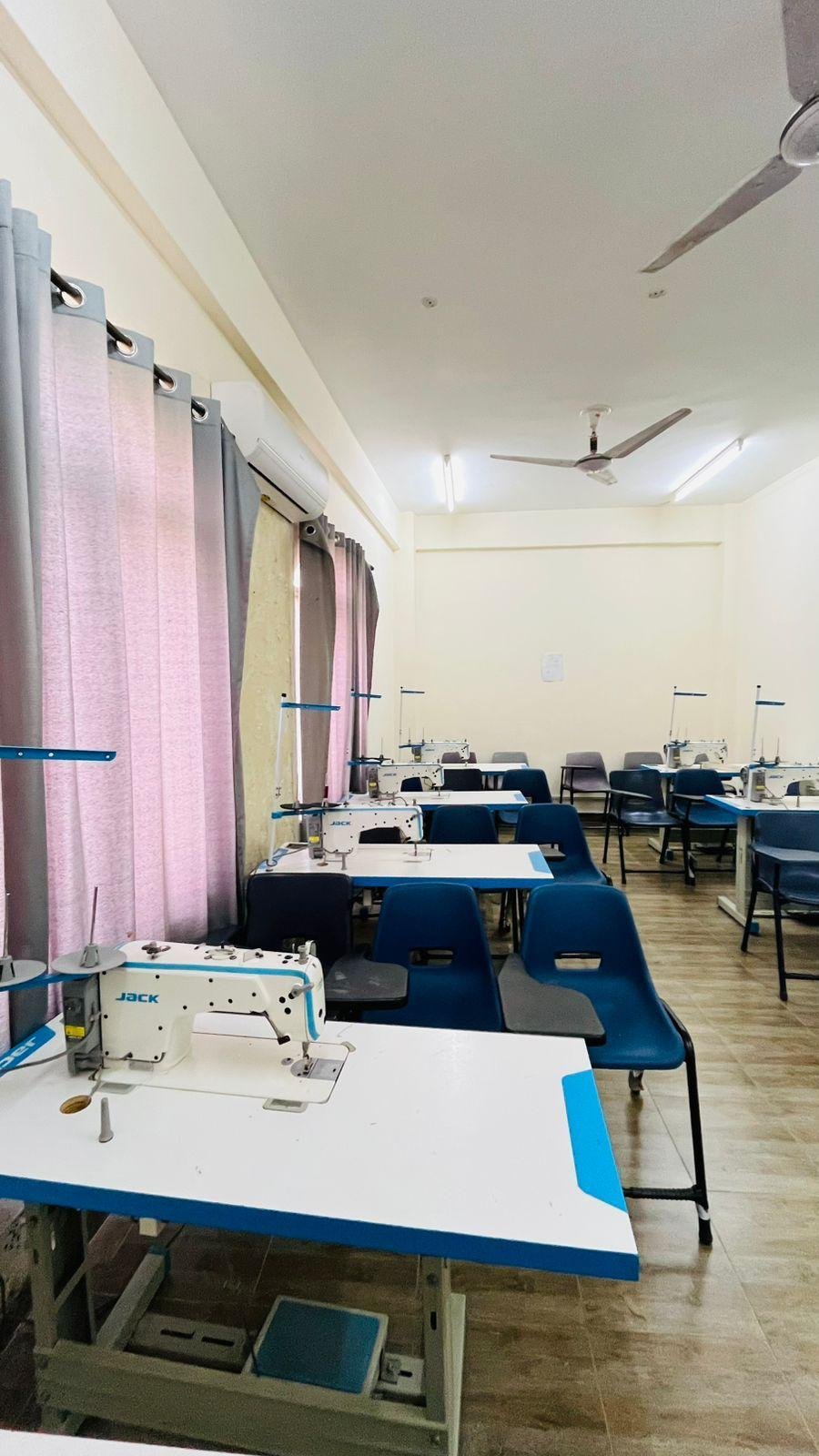
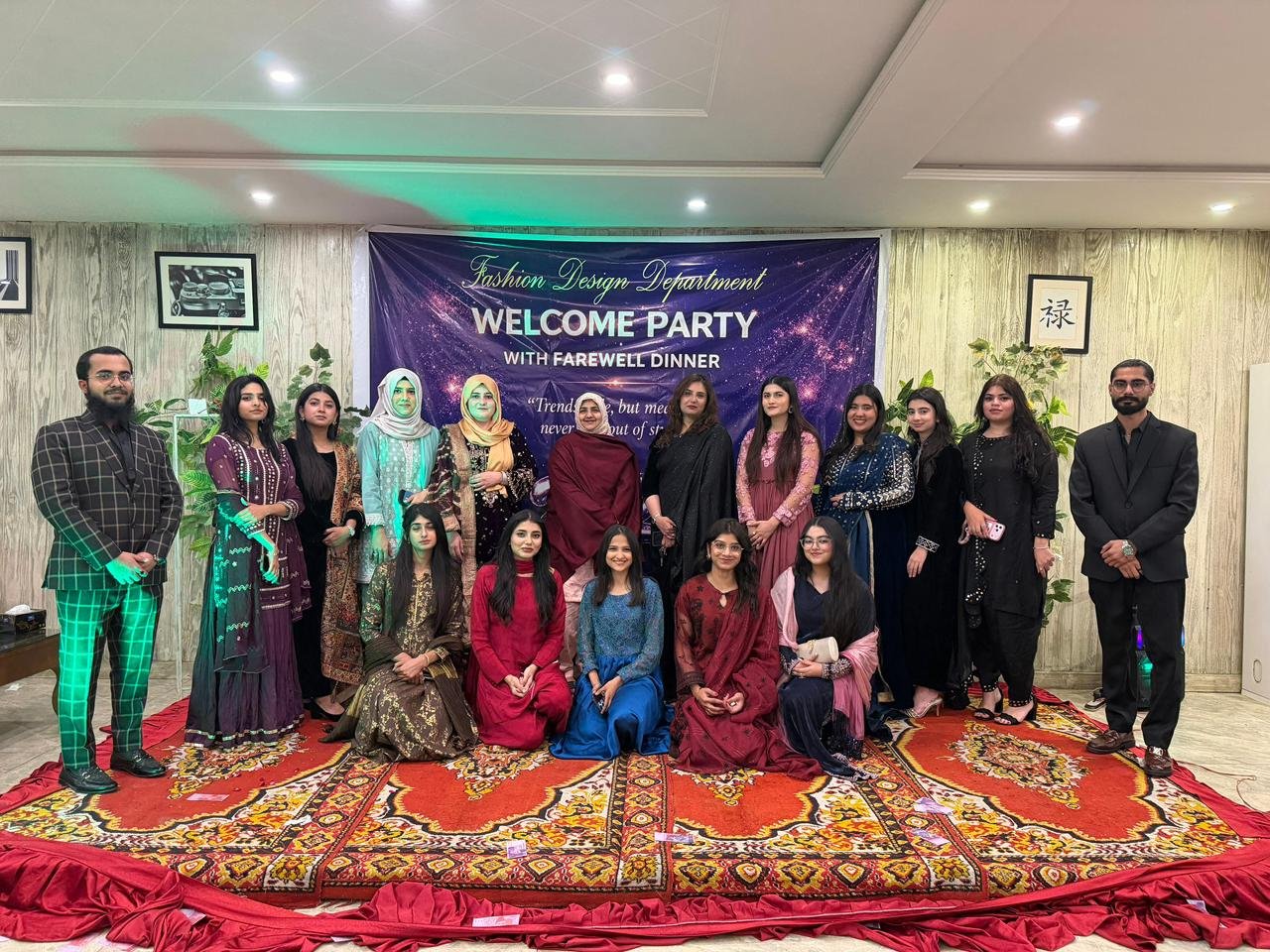
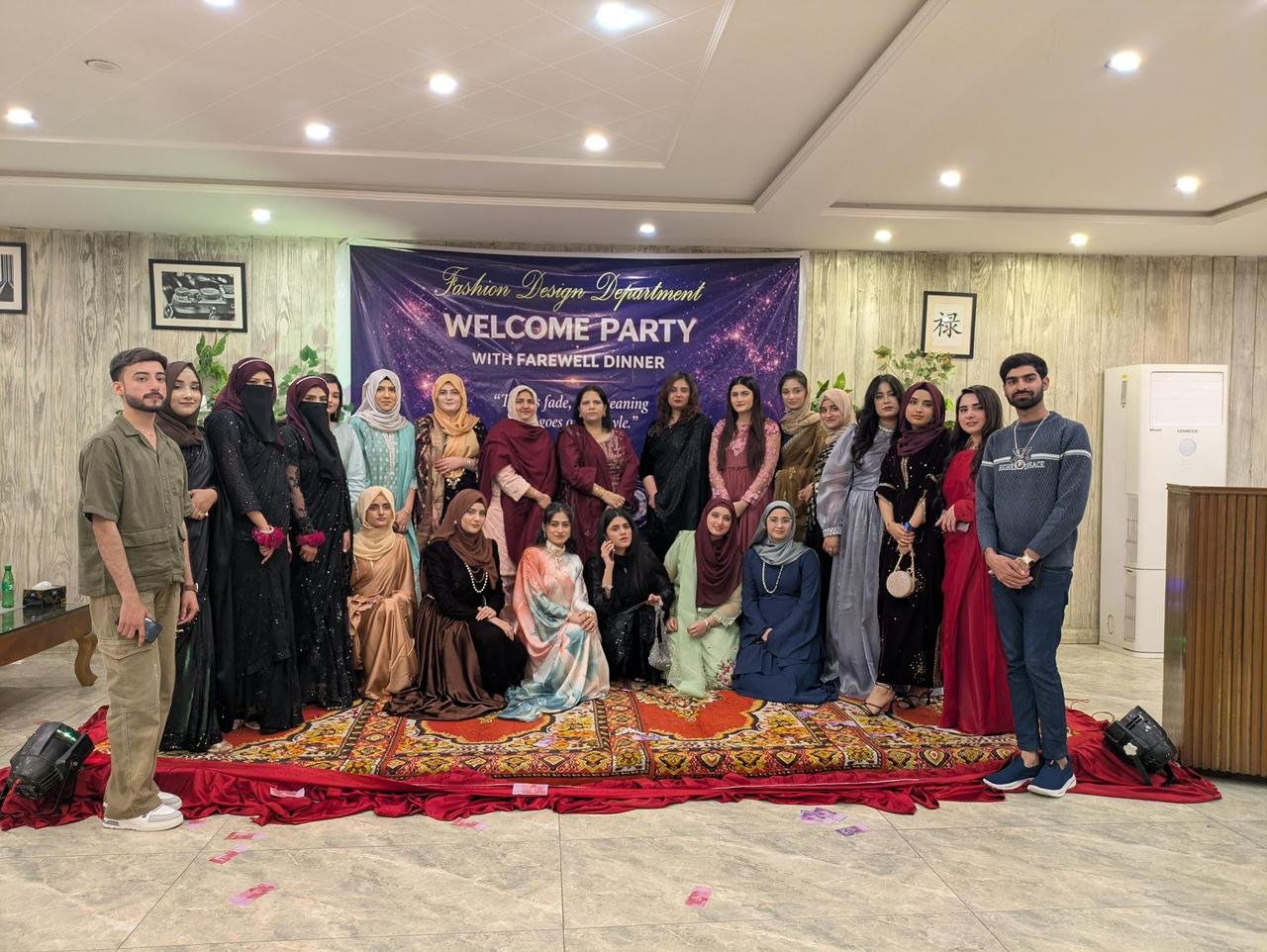
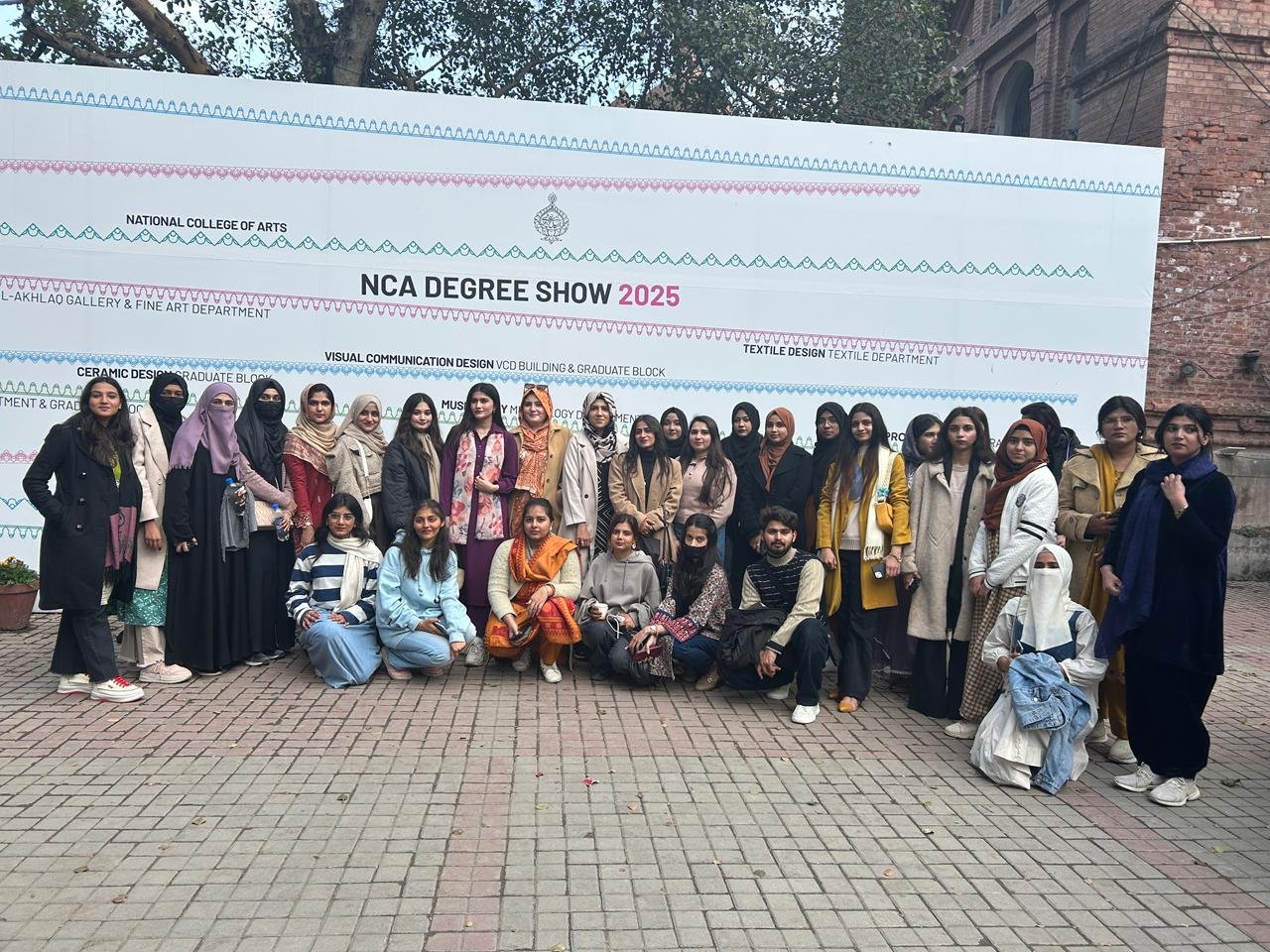
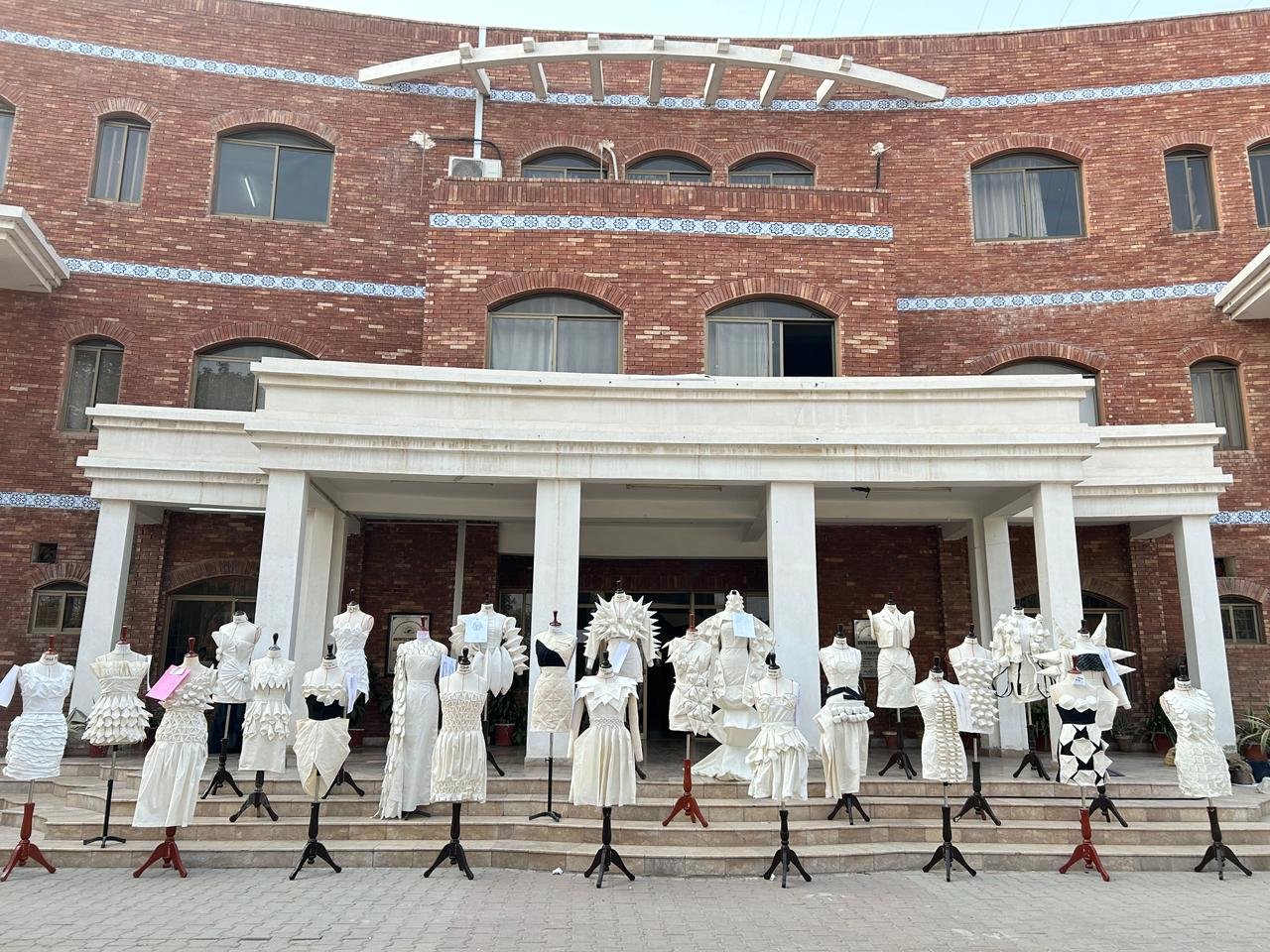
The Bachelor of Fashion Design is a four-year degree program comprised of eight semesters, in compliance with the Higher Education Commission (HEC). This degree program includes knowledge areas based on Digital Design Studios, Costume Development, and Professional Practice and management through best pedagogical practices. A Fashion Design program is designed to develop students' skills in creating innovative designs, understanding fashion trends, fabric selection, garment construction, and marketing. The curriculum integrates theory with practical hands-on experience to prepare students for various roles in the fashion industry, from designers to merchandisers.
Program Educational Objectives (PEOs)
The Bachelor of Fashion Design (BSFD) has the following four Program Educational Objectives (PEO). These objectives shall be measured after the completion of one cycle of four years through indirect assessment and subsequently proceed with the Continuous Quality Improvement Process (CQI).
PEO-1: Graduates will demonstrate & create excellence by developing original & innovative Fashion Designs that reflect their unique aesthetic visions while staying at the level of current fashion trends & industry standards.
PEO-2: Graduates will acquire technical proficiency in Garment construction, Pattern making, Draping, Textile selection, and other essential skills required for translating design concepts into tangible: Fashion pieces of exceptional quality.
PEO-3: Graduates will possess a comprehensive understanding of the Fashion Industry, its dynamics, and market demands. They will be prepared to contribute effectively to the Fashion Industry, whether through employment in Fashion Houses, starting their own Fashion ventures, or preparing for further Education.
PEO-4: Graduates will be knowledgeable about sustainability in fashion, including eco-friendly materials, ethical production methods, and the social and environmental impacts of the fashion industry.
PEO-5: Graduates will have a solid understanding of the business side of the fashion industry, including marketing, branding, merchandising, and retail strategies.
Program Learning Outcomes (PLOs)
The Bachelor of Fashion Design has the following eight Program Learning Outcomes (PLOs). The graduating students are supposed to display all these PLOs in their final year thesis project to an acceptable level determined by the program administration.
PLO-1: Knowledge: Demonstrate the ability to create fashion ideas by applying design principles, integrating historical and cultural influences, and tailoring garments to diverse body types for aesthetic appeal and functional wearability.
PLO-2: Communication: Independently select & apply appropriate & innovative technologies to conceptualize, create, produce & communicate fashion design-related concepts.
PLO-3: Critical Thinking: Fashion knowledge adopts their art, develops a systematic, critical approach to problem-solving at all levels of the design process, and ability to support their future design careers.
PLO-4: Professional Skills: Assess, propose, and apply various techniques related to Drafting, Draping, and Constructing garments.
PLO-5: Production: Students will participate in fashion show production, experiencing the process of organizing and showcasing their designs, and understanding the importance of presentation, choreography, styling, and event management in the fashion industry.
PLO-6: Professionalism/Teamwork: Demonstrate professionalism by managing time to meet deadlines with work quality work and effectively collaborating in teams.
PLO-7: Lifelong Learning: Ability to research, evaluate create, and communicate information as it relates to fashion design concepts at an advanced level.
PLO-8: Fashion & Society: Fashion is a dynamic and ever-evolving cultural phenomenon that is closely tied to the society in which it exists. As an art form, fashion is an expression of culture, societal identity, and individuality.
PLO-9: Fashion Marketing & Branding: Students will develop an understanding of fashion marketing & branding strategies, including market research, consumer behavior, brand identity, and promotion techniques, essential for successful fashion entrepreneurship.